登入新浪財經APP 搜索【信披】查看更多考評等級
專題:對話ESG全球領導者
新浪財經ESG評級中心提供包括資訊、報告、培訓、諮詢等在內的14項ESG服務,助力上市公司傳播ESG理念,提升ESG可持續發展表現。點擊查看【ESG評級中心服務手冊】
文 | 新浪財經 李欣然
當前,在向更加綠色、更可持續的未來邁進的過程中,金融機構發揮着重要的作用。他們通過投孖展來助力資本流向那些符合可持續發展理念的領域和行業。可持續金融領域存在哪些風險和機遇?銀行應如何將環境和社會等因素納入日常投孖展決策?AI的發展會對可持續金融產生哪些助益?就以上問題,新浪財經對話荷蘭國際集團(以下簡稱ING)全球可持續發展負責人Anne-Sophie Castelnau女士。
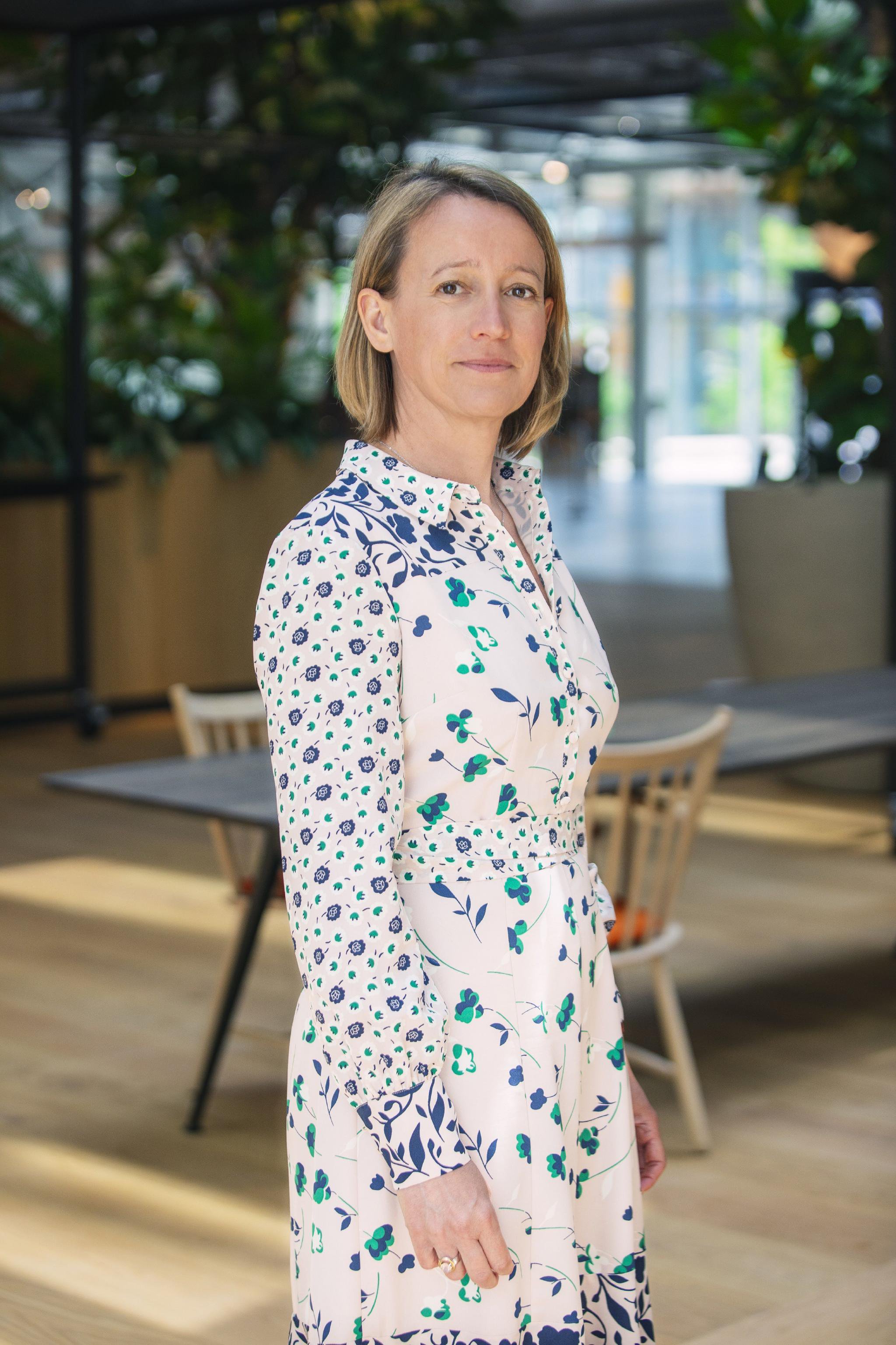 ING全球可持續發展負責人Anne-Sophie Castelnau女士
Anne-Sophie強調,ING將可持續發展作為核心戰略,致力於通過金融手段推動低碳經濟轉型。她認為,基於科學研究和數據分析,全球迫切需要向低碳經濟轉型。作為服務企業和零售客戶雙重領域的銀行,ING旨在覆蓋全客戶羣體並注重客戶參與,通過審視孖展領域、評估客戶數據,識別高排放行業並助力其轉型。
Anne-Sophie指出,可持續發展領域蘊藏着巨大的商業機遇。當前,全球向低碳經濟轉型需要鉅額投資。ING為可再生能源孖展設定了宏偉目標,計劃每年籌集1500億歐元用於可持續金融,助力客戶完成綠色轉型。此外,ING自身數據也顯示,可持續發展相關交易數量呈現持續增長的趨勢。在風險管理方面,銀行重點關注氣候和環境問題所帶來的物理風險與轉型風險,並據此更新內部流程,以更好地應對相應風險。
儘管當前ESG在一些地區和國家遇冷,但Anne-Sophie明確表示,ING依然堅定地致力於可持續發展,並堅信企業必須切實轉變運營方式以應對氣候變化的挑戰。她提出,我們應以氣候問題為起點,同時展望未來,還需在自然和生物多樣性保護等領域付出更多努力。
談及中國在可持續發展領域的現狀,Anne-Sophie對中國在氣候治理方面的雄心與政策表示讚賞,尤其是中國在電動汽車、電池生產及可再生能源投資等關鍵領域所取得的令人印象深刻的進展。展望未來,她認為中歐之間在可持續發展領域應加強對話,分享想法和最佳實踐,以加速全球經濟的綠色轉型。
以下為對話實錄:
Q:我們了解到,ING致力於將可持續發展作為核心戰略。請問為什麼ING如此重視可持續發展?ING是如何將ESG標準融入金融戰略和決策過程中的?您能否舉例說明,可持續發展相關的考量如何影響具體的投資或貸款決策?
A:這個話題非常廣泛,從一開始就是個很有現實相關性的問題。我們為什麼如此關注它呢?實際上,我們一直秉持着以事實為依據的思路,高度重視針對這個話題展開的真實研究以及從中得出的科學反饋。在長期的研究積累過程中,我們不斷收集到了越來越多的數據,隨着這些數據的不斷豐富,一個結論逐漸清晰地呈現在我們眼前,那就是當下的世界迫切需要實現一種經濟模式的轉變,向低碳經濟轉型。作為銀行,我們為實體經濟提供孖展,因此我們有責任也願意儘自己的一份力量。本質上,我們希望幫助客戶減少碳排。我們也希望通過金融手段支持低碳世界的未來藍圖及其所需的解決方案與技術。並且,我們真心希望能找到讓所有人都參與進來的方法,使人們採取行動來應對氣候問題。我們既是一家企業銀行,也是一家零售銀行,因此,我們服務於從超大型企業到個人客戶的全譜系客戶。我們衷心希望我們的方法能夠覆蓋我們的所有客戶羣體。
但真正的關鍵在於我們如何支持這種轉型和過渡。我們從研究應該從何處入手開始,識別出高排放行業,即我們提供金融支持並希望幫助其轉型的行業——這正是我們認為自身可以發揮作用的地方。回到具體步驟,首先,我們審視自身的孖展投向。為此,我們會分析所掌握的客戶數據。然後,我們會考察他們是否正在對自身的流程和業務進行轉型,以及我們能夠如何提供支持。
因此,我們的方法主要包括兩個方面。第一,我們注重客戶參與,確保實現全面覆蓋,並評估我們的計劃對他們產生的影響。我們關注他們的「轉型計劃」—— 本質上是他們為實現向低碳經濟轉型採取了哪些措施。我們已開發出相應的評估方法,並已對約2000家主要客戶進行了評估。我們會審查他們公開披露的信息質量與詳盡程度、已制定的計劃、排放報告方式、設定的減排目標,以及他們的整體戰略。
在評估的基礎上,我們與客戶展開對話。這使我們能夠專注於表現最佳的企業,確保我們為那些朝着正確方向發展的企業提供孖展。但這也關乎推動其他客戶做出改變。在某些時候,如果我們發現某個客戶的發展方向與我們的目標不一致,我們可能會向他們表達我們的擔憂,並在必要時決定終止提供孖展。然而,我們的首要目標是理解並攜手客戶,以推動這一轉變。
第二個方面是管理我們自身的投資組合,特別是在貸款脫碳方面。我們已經將氣候因素納入我們的決策流程中。當我們向高排放行業提供貸款時——作為我們的「Terra 方案」的一部分,我們重點關注 12 個關鍵行業——我們會確保這些客戶的二氧化碳強度或排放量與我們實現貸款組合脫碳的目標相一致。因此,我們利用數據做出有依據的孖展決策,並始終以客戶參與為起點。
Q:在投資領域,風險和機遇幾乎是首要關注點。您認為,將環境和社會因素納入決策過程如何有助於風險管理?此外,您認為當前以及未來五年內有哪些與可持續發展相關的投資機會?
A:當我們審視環境和社會因素時,我們會從正反兩面考慮——既看到機遇,也看到挑戰。正如之前討論我們為何這樣做時提到的,我們堅信可持續發展是一個巨大的商業機會。因為世界向低碳經濟轉型需要鉅額投資——鉅額資本支出。目前已有大量相關報告,例如,國際能源署(IEA)指出,每年需要額外投入5萬億美元才能接近我們當前的全球變暖減緩目標,即到2030年將氣溫上升幅度限制在1.5至2攝氏度以內。這是一個巨大的數字。
作為銀行,我們將這視為在早期階段佈局自身的戰略機遇。如此一來,我們就能夠脫穎而出,更貼近客戶,最終從中獲得更多業務。可再生能源是我們在能源轉型中重點關注的領域之一。我們制定了雄心勃勃的目標,計劃大幅增加對可再生能源的孖展,力爭達到每年75億歐元。歸根結底,我們希望將該領域的年度孖展承諾提升至原來的三倍,與第28屆聯合國氣候大會(COP28)達成的共識保持一致。
這也體現在我們的自身數據中。我們所完成的可持續發展相關交易數量持續增長,並且每年進行披露。2023年,我們完成了792筆此類交易,而去年,我們達到了835筆。這是一個非常積極的趨勢。此外,我們還追蹤一項名為「可持續動員資金」的指標,該指標涵蓋所有與可持續發展相關的交易。我們密切關注該領域的增長,並見證了其在去年從1150億歐元增長至1300億歐元。我們甚至將其納入了集團管理委員會的關鍵績效指標(KPI),這表明該戰略得到了組織高層的充分認可和支持,我們對可持續發展的關注正在取得成效。
最後,就機遇而言,我們對這一主題的重視以及與客戶的互動使我們能夠與他們進行更具戰略性的對話。作為早期踐行者並掌握這些戰略洞察,我們的銀行從業人員能夠積累針對不同行業的專業知識。這使他們能夠與我們的客戶建立更牢固、更密切的關係。因此,他們完全有能力識別和把握更多的商業機會,尤其是在併購和企業孖展等戰略領域。所以,這種對可持續的關注確實有助於我們發展業務,並確保我們持續滿足客戶的需求。
另一方面,我們也要關注風險維度。作為銀行,我們是風險管理者,我們需要預測潛在問題以保護我們的資產負債表。當然,我們希望貸款能夠得到償還。特別是氣候和環境問題,帶來了新的風險維度。首先,是物理風險。隨着氣候變化和生物多樣性的喪失,我們面臨着越來越多的洪水、乾旱和其他挑戰。這要求我們了解資產的分佈情況,以及我們的客戶及其價值鏈可能受到的影響。掌握這些氣候、自然和社會因素是預測物理風險的關鍵。
此外是轉型風險,與社會轉型密切相關。當前正發生着諸多變化,我們需要將這些變化納入框架,並融入自身流程之中。這些變化可能是新的政府政策或規則,例如碳定價,它們可能會影響客戶的業績或我們持有的抵押資產的估值。了解這些風險至關重要,因為它們也會影響我們資產負債表中的其他風險類型,例如流動性風險和聲譽風險。因此,我們需要全面捕捉這些風險,將其整合到我們的政策中,並利用所有可用數據來指導和更新我們的流程。
總之,我們致力於同步推進機遇與風險這兩條主線。
Q:您提到您認為可再生能源是一個機遇。但今年我們看到一些國家,例如美國,在鼓勵發展傳統能源。在這種背景下,您是否仍然認為可再生能源擁有非常光明的前景?
A:我認為,從當前的輿論噪音和政治環境對可持續發展議題所施加的壓力中跳出來非常重要。世界已經在發生轉型。可再生能源已經在全球經濟中發揮關鍵作用。對電力的需求持續增長,這一點也在國際能源署的報告中也有明確體現。
因此,我相信對可再生能源的需求不會改變。雖然地方政府可能會調整政策來激勵某些類型的能源,但從長遠來看,氣候變化的現實不會改變。我們每天都在目睹全球變暖帶來的物理影響。政策上或許會有一些起伏,但總體而言,這仍將是未來發展的趨勢。正如我們有時所說,「列車已經離站」,我毫不懷疑我們對可持續發展的持續承諾。
此外,考慮到可再生能源已具備的規模和市場份額,太陽能可能是當今最便宜的電力來源。其他類型的能源都更昂貴的情況下,我們沒有理由停止使用太陽能。這進一步印證了一個觀點——全球範圍內對可再生能源的持續使用與推廣,具備堅實的基礎。
Q:當前,各種創新技術正在快速發展。尤其是在過去的兩年裏,人工智能幾乎成為所有領域的熱門詞彙。請問ING如何利用區塊鏈和人工智能等技術來提高與可持續發展相關的數據透明度和信息披露?您認為技術在未來的可持續金融中將扮演什麼角色?
A:首先,AI帶來的電力消耗值得關注。預計在未來十年,AI每年將佔全球電力消耗的1%至2%。這是一個不容忽視的數字,值得我們高度重視。
然而,AI的潛在效益也有望帶來深遠的影響。特別是在數據收集和流程自動化方面——包括我們自身及客戶的流程——AI有望顯著提升我們監測與追蹤進展的能力。
儘管我們對這些進步寄予厚望,但我們也清楚這仍是一個複雜領域,需要謹慎處理。我們目前正在探索多個應用場景,以確定我們可以在多大程度上利用客戶數據來實現我們自身的目標,並將其整合進我們的系統中。不過,這僅僅是個開始,預測這些變化的全面影響仍然具有挑戰性。但我認為,隨着這些技術的不斷發展,我們將能夠更好地監控和管理它們的發展。
Q:儘管可持續投資的理念已得到廣泛接受,但必須承認,ESG似乎在某些地區遇冷,由於經濟壓力和其他因素,一些公司和金融機構對氣候行動的熱情正在減弱。您如何看待這一現象?您對氣候金融和可持續投資的未來趨勢有何展望?
A:正如我之前提到的,我認為氣候變化是我們每個人都能切實感受到的一個非常現實的問題。我們認識到,在應對氣候變化方面,我們有責任發揮作用。我們致力於儘自己的一份力量,並堅定地相信我們和同行的行動是有科學依據的。
未來難以預測,外界當然也存在不同的觀點。然而,我所在的歐洲,在這方面擁有強烈的雄心,也具備健全的監管體系。歐洲中央銀行(ECB)和歐洲銀行管理局(EBA)在這一領域非常活躍。歐洲即將重申其對2040年氣候目標的雄心,同時堅持2030年的既定目標不變。我們堅信,已經啓動的轉型勢頭不會被輕易動搖。這意味着,通過可持續金融和經濟轉型以邁向更可持續的未來,仍將繼續成為大型企業的首要任務。我相信,這一話題在未來也將長期佔據重要位置。
Q:我們還觀察到一個有趣的現象,一些公司雖然依舊相信氣候變化,並積極致力於可持續發展,但他們選擇不宣傳自己的努力。這種現象有時被稱為「綠色沉默」。您如何看待這種現象?
A:我認為目前的確存在一些擔憂,尤其是在訴訟風險方面。我們也看到了相互衝突的立法現象。我們生活在一個日益兩極分化的世界。一方面,有人說我們在可持續發展方面做得太多,而另一些人,主要是非政府組織(NGOs),則認為我們做得不夠多。這讓包括銀行在內的企業的處境異常複雜。你必須找到一個微妙的平衡點:你想做什麼,以及如何溝通?
這也正是為什麼,在ING,我們始終以科學為基礎制定方案。我們參考來自聯合國政府間氣候變化專門委員會(IPCC)的見解,並參考國際能源署等權威機構的情景分析。我們根據這些研究構建自身的戰略框架。否則,相關議題可能會陷入政治化,而我們希望避免這種情況。我們希望聚焦於我們身邊正在發生真實變化,以及我們能夠做些什麼來推動必要的轉型,從而確保我們人類能夠繼續在一個可持續的星球上生存下去。
我認為我們正處於一個關鍵時刻,重點是如何將可持續融入我們的日常實踐。過去,這個話題常常被用來在戰略和溝通中將一切粉飾成綠色。有些人實際上只是給事物披上一層綠色的外衣,卻並未思考過這對其組織的實際意義,或者對運營帶來的具體影響。我認為我們已經超越了這個階段。
現在,企業都開始做功課,並自問,「我該如何採取具體行動,才能確保我的運營對氣候和地球的危害更小?」關鍵在於切實轉變他們的運營方式。這正是我們平時與客戶開展的對話核心。我們當前聚焦於正在實際發生的事情,並逐年衡量進展。我們希望確保彼此能夠在同一語境下溝通,並就應採取的具體舉措交換意見。但我也同意,在過去的某些時候,人們過度談論綠色和可持續,卻缺乏實際行動。我認為,我們如今已經進入一個轉折點——人們開始將承諾付諸實踐,切實採取行動以產生實際影響。而這正是我們所試圖量化的影響。
Q:ING的客戶對可持續發展有何看法?過去幾年他們的態度有什麼變化嗎?
A:我們其實早在幾年前就開始與客戶就此進行溝通。隨着過去兩三年對可持續議題的關注度不斷提升,我們非常有信心,客戶已經做好了充分的準備。他們了解自己需要做什麼、需要如何改變,並且正在落實這些改變。
這一點在氣候問題上表現明顯,在自然與生物多樣性問題方面也日益如此。我們開始看到一些客戶意識到,例如,他們從特定區域抽取的水資源正在引發問題。因此,他們希望衡量並限制他們對所在運營區域的影響。他們制定了長期戰略;他們希望將設施保留在這些地點,因為這些地點是他們識別出的最佳地點。但他們不想給自身的供應鏈製造問題。因此,他們在這方面的努力非常謹慎。尚未有客戶突然退縮並表示,「不,這已經不再是一個重要議題了。」 他們希望就此展開討論,並將其納入決策流程。我認為他們也開始認真對待並考慮自身所面臨的風險,因為供應鏈中斷的風險非常現實,特別是在某些行業。
以食品行業為例。如果你是一家巧克力製造商,卻因為全球變暖正在影響你獲取原料的那些國家而無法再採購可可豆,那就是切實的問題。所以,我認為那些在全球有廣泛佈局、依賴氣候敏感型資源的公司,往往走在認識這些問題的最前沿,而他們並不打算改變自己的立場。另一方面,他們正在尋求轉型自身商業模式的新路徑。我們與他們構建深度關係,並在這一方向上與他們緊密合作以提供支持。
Q:我們了解到,ING在中國也有業務。請問您如何看待近年來中國在氣候治理和可持續發展方面取得的進展?
A:據我了解,中國在可持續發展方面正在展開大量工作。中國展現出明確的雄心,諸多也已落地。據我所知,中國設定了非常有雄心的目標,例如力爭在2030年前碳達峯,並在2060年實現碳中和。這是重大且極具意義的努力,目前已出台多項政策,以推動向淨零排放轉型。
這一轉型涵蓋了與轉型金融相關的分類標準的制定,以及債務資本市場向可持續方向的轉變。值得注意的是,行業將這一轉型視為對未來的投資,而不僅僅是出於合規要求。這場轉型正在迅速發生,尤其是在汽車行業。歐洲歷來是汽車製造業的強國,但如今中國已處於電動汽車及電池生產的前沿。此外,中國在可再生能源投資方面也處於領先地位。這些進步彰顯了中國對可持續發展的堅定承諾。
對創新的關注已取得回報,這非常了不起。儘管歐洲起步較早,已出台多項政策,並營造了良好的可持續發展氛圍,亞洲——尤其是中國——如今正以極大的熱情,積極地推動變革。這一領域潛力巨大,尤其是在政府釋放出明確信號、市場交易活躍的背景下。總之,我對中國推進變革的速度印象深刻。
Q:您對於中國的可持續發展方面有沒有什麼建議?或者,您認為中歐之間是否應在可持續金融領域加強對話?
A:我認為觀點互通和方法共享非常重要。這也是我在聯合國環境規劃署金融倡議 (UNEP FI)以及淨零銀行聯盟(NZBA)內討論過的內容。我們堅信,分享想法和最佳實踐,並對比成功經驗和遇到的挑戰,是加速經濟轉型必不可少的重要環節。我們需要不斷更新戰略,並以開放的心態面對和解決我們面臨的緊迫問題。
Q:最後,您對於ING在可持續發展方面的經驗是否還有想補充或分享的內容?
A:我唯一想強調的一點是,氣候問題確實是我們起步的領域,而這是有充分理由的。我們可以通過二氧化碳排放量或其等效排放量來衡量氣候影響,這一做法已持續相當長一段時間。然而,自然與生物多樣性問題都與氣候密切相關,這兩個領域實際上也密不可分。我認為,我們在不久的將來必須在這一方面取得更多進展,這至關重要。各類產業活動給自然帶來的壓力——無論是通過用水、污染、土地使用還是森林砍伐——都是巨大的。以ING為例,我們正積極開展相關工作。我們希望與全球更多夥伴展開合作,特別是與我們的同行,共同開發衡量進展的方法論。我認為,這將成為像UNEP FI或NZBA等聯盟探討的重要議題。這些平台為交流思想、共同努力取得進展提供了理想場所。正如我們在應對氣候變化方面所做的那樣,必須衡量其影響,並逐步減少對環境的影響。我認為這將成為未來幾年工作的重中之重。
Q:您認為,為什麼生物多樣性保護和其他環境議題尚未引起足夠重視?
A:我認為生物多樣性保護等問題具有複雜性,衡量像水資源使用這類領域的影響並非易事。例如,當我們談論水資源緊張地區,以及被消耗並返回自然的淡水量時,這些指標的量化本身就頗具挑戰性。污染問題亦是如此。我們究竟在衡量什麼?我們評估的是哪些類型的污染?我們又該如何設計情景來衡量影響隨時間推移的減少?這需要深入的理解和數據,而這些目前仍較為欠缺。但考慮到所涉及的利害關係,我們必須朝這一方向邁進。我們是自然的一部分,如果自然出了問題,人類也難以獨善其身——事實上我們已經在一定程度上感受到了這一點。因此,我們認為企業、行業和政府必須將這個問題置於議程的更高優先級。
以下為英文對話原文:
Q: We understand that ING aims to put sustainability at the heart of what you do. Why does ING prioritize sustainability? How does ING integrate ESG criteria into its financial strategies and decision-making processes? Can you provide examples of how sustainability related considerations have influenced specific investment or lending decisions?
A: This is a very broad topic and is a very relevant question initially. Why are we paying so much attention to it? I think we always try to start with the facts and scientific feedback from real research on the topic. We've accumulated more and more data points, and at some point, it became clear to us that the world needs to transition to a different type of economy—a low-carbon economy. As a bank, we finance the real economy, so we have a role to play and we want to do our part. Essentially, we want to help our clients reduce their emissions. We also want to finance the future vision of a low-carbon world and the solutions and technologies required. And we really want to find ways to include everyone and enable people to take action on climate. We are both a corporate and a retail bank, so we serve the entire spectrum of clients, from very large corporations to private individuals. We really want our approach to cover all segments of clients that we have.
But it's really about how we can support that transformation and transition. We started by looking at where to begin and identifying the most emitting sectors that we finance and want to help transform. That's where we see our role. Coming back to the concrete steps, first, we look at what we finance. For that, we examine the data we have on our clients. Then we look at whether they are transforming their processes and businesses, and how we can support them.
So, there are two main aspects to our approach. First, we focus on client engagement to ensure we include everyone and assess how our plans are impacting them. We look at what we call their transition plans—essentially, what measures they have in place to transition to a low-carbon economy. We've developed methodologies to assess this and have evaluated around 2,000 of our major clients. We examine the quality of their public disclosures, how extensive they are, what plans they have in place, how they report their emissions, what targets they've set for themselves, and their overall strategy.
Based on this assessment, we engage in conversations with them. This allows us to focus on the best performers and ensure we're financing those moving in the right direction. But it’s also about pushing others to change. At some point, if we see that a client's direction doesn't align with our goals, we might let them know that we're not comfortable and ultimately may decide not to finance them anymore. However, our primary intention is to understand and engage with our clients to drive that change.
The second aspect is about steering our own portfolio, specifically in terms of decarbonizing our loans. We've integrated climate considerations into our decision-making process. When we lend to the most emitting sectors—and we focus on 12 key sectors as part of our Terra approach—we ensure that the CO2 intensity or emissions of those clients align with our ambition to decarbonize our loan portfolio. So, we use data to make informed financing decisions, always starting with engaging with our clients.
Q: In the investment field, risks and opportunities are almost the primary concerns. How do you think incorporating environmental and social factors into decision-making can help in risk management? Additionally, what investment opportunities related to sustainable development do you see in the present and over the next five years?
A: So, when we look at environmental and social factors, we consider both sides of the coin. We examine the opportunities as well as the challenges. As I mentioned earlier when discussing why we're doing this, we're convinced that sustainability is a significant business opportunity. Well, transitioning the world to a low-carbon economy requires massive investment—massive capital expenditure. There are numerous reports out there, but for instance, the International Energy Agency states that an additional $5 trillion per year in financing is needed to get closer to our current global warming reduction targets, aiming to limit the temperature rise to 1.5–2 degrees Celsius by 2030. That's an enormous amount.
As a bank, we see this as an opportunity to position ourselves early in the process. By doing so, we can stand out, get closer to our clients, and ultimately secure more business from them. One key area we're focusing on for the energy transition is renewable energy. We have an ambitious goal to significantly increase our financing for renewables, aiming to reach up to €7.5 billion per year. Essentially, we want to triple our annual commitment to this sector, in line with the agreements reached at COP 28.
We're also seeing this reflected in our own numbers. The number of sustainability-related deals we close is consistently growing, and we report on this annually. In 2023, we closed 792 such deals, and last year, we managed to close 835. That's a very positive trend. Additionally, we track a metric we call 「Sustainable Volume Mobilized,」 which captures all sustainability-related deals. We monitor the growth in this area closely, and we have seen it increase from €115 billion to €130 billion last year. We've even made this a KPI for our group management board, which shows that this strategy is fully endorsed and owned by the top of the organization. It's a clear indication that our focus on sustainability is paying off.
Finally, in terms of opportunity, our emphasis on this topic and our engagement with clients allows us to have much more strategic conversations with them. By being early adopters and having these strategic insights, our bankers are able to develop sector-specific knowledge. This positions them ideally to build stronger, more intimate relationships with our clients. As a result, they're perfectly placed to identify and pursue more business opportunities, particularly in strategic areas like mergers and acquisitions and corporate finance. So, this focus on sustainability is really helping us develop our business and ensure that we continue to meet our clients' needs.
On the other hand, there's the risk dimension. As a bank, we're all risk managers, and we need to anticipate potential issues to protect our balance sheet. Of course, we want our loans to be repaid. Climate and environmental issues, in particular, bring new risk dimensions. First, there's the physical risk. With climate change and biodiversity loss, we face increased flooding, droughts, and other challenges. This requires us to understand where our assets are located and how our clients and their value chains might be impacted. Our grasp of these climate, nature, and social elements is key to anticipating physical risks.
Then there's transition risk, linked to society's transformation. There's a lot happening these days, and we need to frame and embed these changes in our processes. It could be new government policies or rules, like carbon pricing, which can affect our clients' performance or the valuation of the assets we hold as collateral. Understanding these risks is crucial, as they also influence other types of risk in our balance sheets, such as liquidity and reputation risk. So, we need to capture all these risks, integrate them into our policies, and use all available data to inform and update our processes.
In a word, these two streams of opportunity and risk are something we work on in parallel.
Q: You mentioned that you believe renewable energy is an opportunity. But this year, we've seen some countries, like the US, encouraging the development of traditional energy sources again. Given this, do you still believe that renewable energy has a very promising future?
A: I think it's very important to take a step back from the current noise and the stress that the political environment is putting on the topic of sustainability. The world is already transitioning. Renewables are already playing a crucial role in the global economy. The need for more electricity continues to rise, and this is something the IEA reports very clearly.
So, I believe the demand for renewables won't change. Local governments may adjust policies to incentivize certain types of energy, but in the long term, the reality of climate change remains unchanged. We see the physical impacts of global warming every day. There may be some ups and downs, but overall, this is a trend we've already faced in the past. As we sometimes say, 「The train has already left the station,」 and I don't doubt the ongoing commitment to sustainability.
Moreover, with the scale and market share that renewables have already achieved, solar power is probably the cheapest source of electricity today. There's no reason to stop using solar when other types of energy are much more expensive. This further supports the idea that there's strong backing for the continued use and expansion of renewable energy worldwide.
Q: Currently, various innovative technologies are advancing rapidly. Particularly in the past two years, AI has become a buzzword in nearly every field. How is ING leveraging technology, such as blockchain and AI, to improve sustainability related data transparency and reporting? What role do you see technology playing in the future of sustainable finance?
A: The consumption of electricity attributed to AI is a significant concern. It is projected that over the next decade, AI will contribute an additional 1 to 2% annually to global electricity consumption. This is a substantial figure that warrants our close attention.
However, the potential benefits of AI are also expected to be profound. Particularly in the realms of data capture and the automation of various processes—both our own and those of our clients—AI is anticipated to greatly enhance our ability to monitor and track progress.
While we hold high expectations for these advancements, the subject remains complex and demands cautious handling. We are currently exploring several use cases to determine the extent to which we can leverage client data for our own purposes and integrate it into our systems. However, this is merely the beginning, and it is still challenging to predict the full impact of these changes. But I think as these technologies continue to evolve, we will be better positioned to monitor and manage their development.
Q: While the concept of sustainable investing has gained widespread acceptance, it must be acknowledged that there appears to be a "backlash" against ESG, with some companies and financial institutions showing waning enthusiasm for climate action due to economic pressures and other factors. What is your take on this phenomenon? What do you see as the future trends in climate finance and sustainable investing?
A: As I mentioned earlier, I believe climate change is a very real issue that we all experience. We recognize that we have a role to play in addressing it. We are committed to doing our part, and we are confident in the scientific basis of our actions and those of our peers.
It's difficult to predict the future, and there are certainly different opinions out there. However, in Europe, where I am based, there is a strong ambition and very robust regulation. The European Central Bank (ECB) and the European Banking Authority (EBA) are very active in this area. Europe is about to reaffirm its ambition for 2040, and the 2030 targets remain unchanged. We are convinced that the momentum that has started will not be derailed. This means that sustainable finance and the transformation of the economy for a more sustainable world will continue to be a top priority for large corporations in particular. I am confident that this is a topic that will remain prominent for the long term.
Q: We’ve also observed an interesting phenomenon where some companies still believe in climate change and are actively working on sustainable development, but they choose not to publicize their efforts. This is sometimes referred to as 「greenhushing.」 What are your thoughts on this phenomenon?
A: I think there are some concerns these days, particularly regarding litigation risk. We're also seeing the emergence of conflicting legislation. We live in a world that is becoming increasingly polarized. On one side, there are people saying we're doing too much on sustainability, while others, mostly NGOs, are saying we’re not doing enough. This makes life extremely complicated for companies, including banks. You have to find a fine balance: what do you want to do, and how do you communicate about it?
This is why, at ING, we base our approach on science. We take insights from the IPCC and look at scenarios from reputable organizations like the International Energy Agency. We design our approach based on these insights. Otherwise, it can become very political, and we want to avoid that. We want to focus on what's really happening around us and what we can do to facilitate the necessary transformation to ensure that we, as human beings, can continue to live on a sustainable planet.
I think we're at a point where the focus is on how to integrate sustainability into our daily practices. In the past, the topic was often used as a way to paint everything green in strategy and communication. Some people were really just putting a green veneer on things without considering what it truly meant for their organization or how it impacted their operations. I think we've moved beyond that phase.
Now, companies are doing their homework and asking, 「How can I concretely take action to ensure that my operations are less harmful to the climate and the planet?」 It's about genuinely changing the way they operate. That's exactly the kind of dialogue we have with our clients. We're now focused on what's actually happening and measuring progress year after year. We want to ensure we're speaking the same language and sharing views on what needs to happen concretely. But I agree that at some point, there was too much talk about green and sustainability without enough action. I think we've reached a moment where that has changed, and people are now walking the talk, really doing what's required to make an impact. That's the impact we're trying to measure.
Q:How do ING's customers feel about sustainable development? Have their attitudes shifted over the past few years?
A: We have actually been having these conversations with our clients for several years. But with the accelerated focus on sustainability over the past 2–3 years, we're quite confident that our clients have done their homework. They understand what they need to do and how they need to change, and now they're implementing those changes.
This is true for climate issues, and increasingly, it's also true for nature and biodiversity. We're starting to see clients who are aware, for example, that the amount of water they extract from certain areas is causing problems. So, they want to measure and limit their impact on the areas where they operate. They have long-term strategies; they know they want to keep their facilities in those locations because they're the best spots they've identified. But they don't want to create issues for their own supply chains. So, they're very mindful of their efforts in that direction. We haven't seen clients suddenly stepping back and saying, 「No, this isn't a topic anymore.」 They want to discuss it and consider it in their decision-making processes. I think they're also taking on board the risks they're facing because the risks of supply chain disruption, for instance, are very real, especially in some sectors.
Take the food sector, for example. If you're a chocolate-making company and you can't source your cocoa anymore because global warming is affecting the countries where you source it, that's a real issue. So, I think companies that have connections with various parts of the world and are dependent on climate-sensitive resources are at the forefront of understanding these issues, and they don't intend to change their stance. On the other hand, they're looking for new ways to transform their business models. We're really bonding with them and working very closely to support them in that direction.
Q: We understand that ING also has operations in China. How do you view China's progress in climate governance and sustainable development over the past few years?
A: From what I understand, there is a great deal of activity in China when it comes to sustainability. There is a clear ambition, and many initiatives are already in place. I understand that China has set very ambitious targets, such as aiming to achieve peak carbon emissions by 2030 and carbon neutrality by 2060. This is a significant effort, and numerous policies are now in place to drive the transition to net zero.
This transition encompasses the development of taxonomies related to transition finance and a shift in the debt capital market toward sustainability. It's noteworthy that the sector perceives this transition as an investment for the future rather than a mere compliance requirement. This transformation is occurring rapidly, especially in the automotive sector. Europe has historically been a powerhouse in automotive manufacturing, but China is now at the forefront of electric vehicle and battery production. Additionally, China is leading the charge in renewable energy investments. These advancements underscore a strong commitment to sustainability.
The focus on innovation has paid off, which is quite remarkable. While Europe started earlier and has established many policies and a positive climate around sustainability, Asia, and China in particular, are now driving change enthusiastically and remarkably. There is a lot of potential in this area, especially with the clear signals from the government and the transactions taking place in the market. I am quite impressed with what I have learned and the pace of change in China.
Q: Do you have any recommendations for China regarding sustainable development? Or do you think there should be enhanced dialogue between China and Europe in the realm of sustainable finance?
A: Sharing views and comparing approaches is extremely insightful. This is something we've discussed within the UNEP FI Banking Board, where I serve, and also in the NZBA circle. We truly believe that sharing ideas and best practices, as well as comparing both successes and challenges, is essential for accelerating the transformation of the economy. We need to continuously renew our strategies and be open to facing and tackling the urgent issues we're confronted with.
Q: Considering we're about to wrap up the interview, do you have any last thoughts or further insights to share about ING's experience in sustainable development?
A: Perhaps the only point I'd like to emphasize is that climate is indeed the area where we started, and for good reason. We can measure climate impacts through CO₂ emissions or their equivalents, which has been the case for quite some time. However, closely connected to climate is the issue of nature and biodiversity, and these two areas are truly interlinked. I think it's crucial that we make progress in this area in the near future. The pressure that industries are putting on nature—whether it's through water usage, pollution, land use, or deforestation—is immense. At ING, for instance, we're actively working on this. We want to collaborate with more parties around the world, particularly our peers, to develop methodologies for measuring progress. I believe this is definitely a topic that forums like UNEP FI or the NZBA will bring to the table. These platforms are ideal for exchanging ideas and working together to make progress. Just as we do with climate, it's essential that we measure the impact and, over time, reduce it. I think this will be absolutely key for the next few years.
Q: Why do you think biodiversity conservation and other environmental issues haven't garnered sufficient attention?
A: I think part of the complexity stems from the fact that measuring impact in areas like water usage is not straightforward. For instance, when we talk about water stress regions and the amount of fresh water consumed and returned to the environment, quantifying this is challenging. The same applies to pollution. What exactly are we measuring? What types of pollution are we assessing, and how do we design scenarios to measure the reduction of impact over time? This requires a deep understanding and data that, for now, are still lacking. But we need to move in this direction given the stakes involved. We are part of nature, and if nature is in trouble, humanity will be too, as we're already seeing to some extent. That's why we see it as crucial for companies, industries, and governments to prioritize this issue higher on their agendas.
(實習生朱玥寧對此文亦有貢獻)
新浪財經ESG評級中心簡介
新浪財經ESG評級中心是業內首箇中文ESG專業資訊和評級聚合平台,致力於宣傳和推廣可持續發展,責任投資,與ESG(環境、社會和公司治理)價值理念,傳播ESG的企業實踐行動和榜樣力量,推動中國ESG事業的發展,促進中國ESG評估標準的建立和企業評級的提升。
依託ESG評級中心,新浪財經發布多隻ESG創新指數,為關注企業ESG表現的投資者提供更多選擇。同時,新浪財經成立中國ESG領導者組織論壇,攜手中國ESG領導企業和合作伙伴,通過環境、社會和公司治理理念,推動建立適合中國時代特徵的ESG評價標準體系,促進中國資產管理行業ESG投資發展。
責任編輯:李欣然