專題:對話ESG全球領導者
新浪財經ESG評級中心提供包括資訊、報告、培訓、諮詢等在內的14項ESG服務,助力上市公司傳播ESG理念,提升ESG可持續發展表現。點擊查看【ESG評級中心服務手冊】
文 | 新浪財經 李欣然
在全球經濟向可持續發展轉型的關鍵時期,金融體系正面臨前所未有的機遇與挑戰。隨着氣候變化議題的深入和ESG投資理念的普及,可持續金融已逐漸演變為全球金融改革的核心議程。然而,區域發展不平衡、綠色技術成本居高不下等現實問題,仍在考驗着金融機構的智慧與執行力。
在此背景下,新浪財經與三井住友金融集團首席可持續發展官Masayuki Takanashi展開對話,共同探討可持續議題對金融機構的戰略意義、全球不同市場的實踐差異,以及這一領域當前面臨的挑戰與未來演進方向。
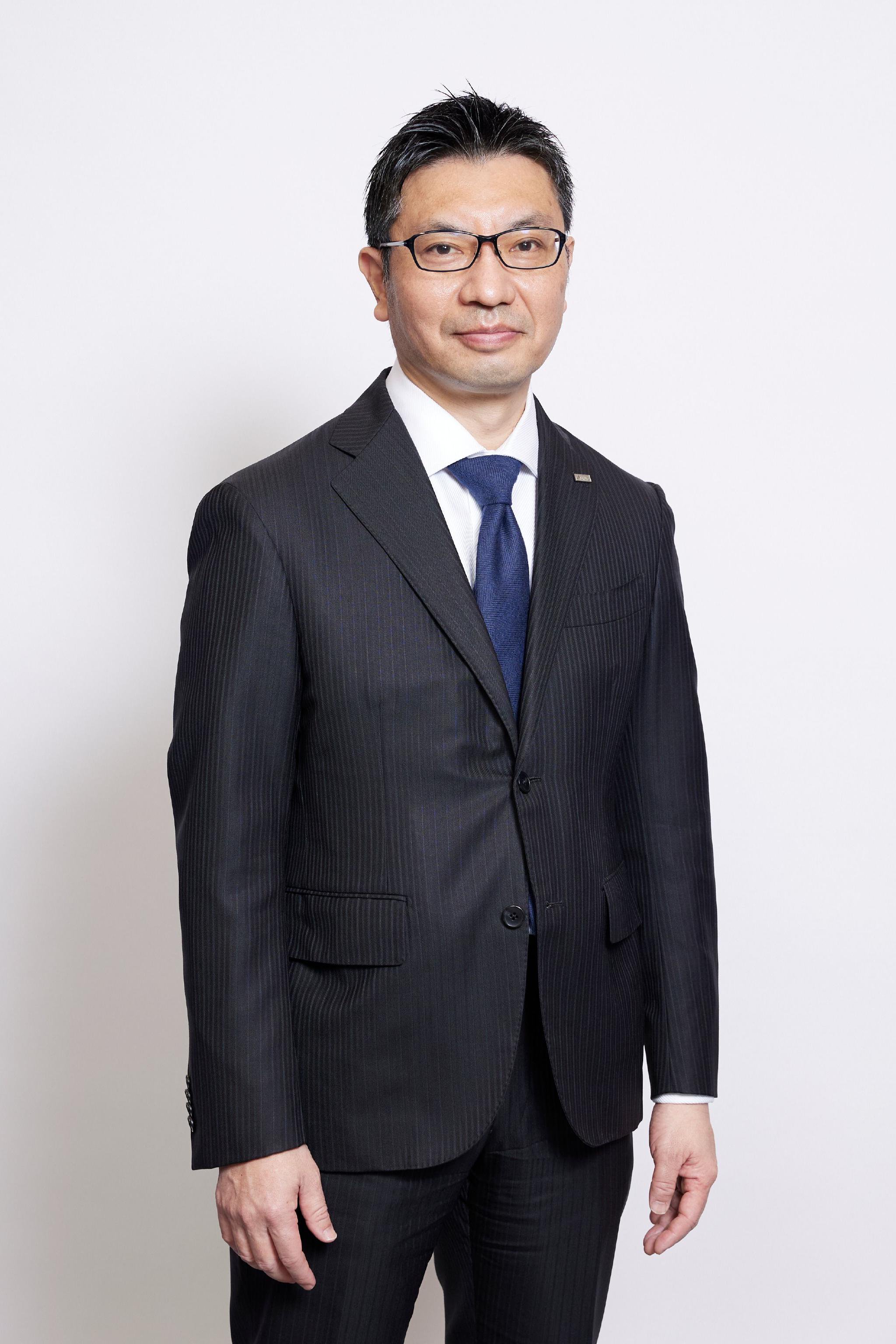 三井住友金融集團首席可持續發展官Masayuki Takanashi
以下為對話原文:
新浪財經:我們了解到三井住友金融集團非常重視可持續發展,並為此選取了五個優先議題。請問貴集團如此關注可持續發展的主要驅動因素是什麼?
Masayuki Takanashi:其實在集團內部,我們使用更多的是「創造社會價值」這一概念。雖然這一術語與「可持續發展」非常相似,但「可持續發展」一詞本質上側重於維持現狀,而「創造社會價值」則更強調積極創造和提升價值的內涵。儘管兩者有所重疊,我們現在除了「可持續發展」外,也頻繁使用「創造社會價值」這一表述。
我們於三年前正式採納了這一術語,並將其納入我們現行的中期經營計劃——該計劃每三年更新一次。在日本,財年於每年三月結束。當前的中期計劃將於今年三月到期,自四月起我們將開啓新的周期。在即將完成的計劃中,我們明確將「創造社會價值」定位為企業戰略的核心支柱之一。
我們的戰略立足於三大支柱:第一,持續創造利潤;第二,優化企業夥伴合作生態;第三,也是我們新的優先任務——為社會價值作出顯著貢獻。
至於我們為何如此重視可持續發展,主要有以下三點原因:
第一,當前諸多社會挑戰阻礙了經濟增長。作為一家大型金融機構,我們的業務成果與經濟的健康發展息息相關。如果經濟無法增長,我們自身也難以成長。因此,我們認為有責任幫助應對這些社會問題,以推動構建更有活力的經濟環境。
第二,我們認識到,利益相關方對企業的評價標準正在發生變化。這不僅包括投資者,也涵蓋客戶、現有員工以及潛在人才——例如高校學生。年輕一代尤其關注企業處理社會議題的方式,他們在職業選擇時並不只依據財務表現。為了吸引並留住最優秀的人才,我們必須展現對社會價值創造的承諾。這種公衆期望的轉變是我們聚焦於此的關鍵動因。
第三,關注可持續發展能創造商業機會。通過思考如何協助解決社會問題,我們已開發出新的服務與項目。這些舉措不僅回應了社會需求,同時也帶來了收入。從根本上說,這是一項有益的生意。
總而言之,支持經濟增長、回應利益相關方不斷變化的期望,以及把握新的商業機遇——這三點是我們關注可持續發展與創造社會價值的主要原因。
新浪財經:根據您的實踐經驗,在投資與信貸決策中納入環境與社會考量,是否有助於帶來積極的財務回報?
Masayuki Takanashi:我們將環境與社會盡職調查作為信貸審批流程的重要組成部分。我們認為這至關重要,主要是因為其有助於管控風險,進而對財務表現產生積極影響。
舉例來說,如果忽視環境或社會因素,項目可能無法獲得監管許可。在這種情況下,項目可能陷入停滯,危及我們收回投資的能力。因此,我們的風險評估對於最大限度地減少潛在損失、優化貸款流程具有關鍵作用。
當前的重點領域是脫碳,這涉及管理轉型風險和物理風險。部分客戶既面臨向低碳經濟轉型相關的風險,也直接承受氣候變化帶來的物理風險。我們認為,積極評估並緩解這些風險對我們自身、股東以及所有利益相關方都至關重要。這樣做不僅有助於保護我們的投資組合,更能提升長期的財務表現。
新浪財經:目前,部分地區出現了可持續發展進程放緩的現象,例如一些金融機構推遲了淨零排放目標。您如何看待這一現象?
Masayuki Takanashi:我注意到部分銀行確實推遲了淨零目標。但根據他們的解釋,我的理解是這並不意味着其放棄了環境承諾。更準確地說,他們是在根據外部條件的變化調整目標。例如,若客戶轉型進度未達初期預期,銀行便難以按原定時限完成目標。這種調整具有合理性。以國際能源署(IEA)為例,其每年都會更新情景預測模型。依據現實情況調整計劃,本就是符合邏輯的做法。
我們始終認為,金融機構乃至所有企業,都應基於自身具體情況設定切實可行的目標。因此,歐洲、亞洲和美國的金融機構之間存在差異是必然的。每個地區處於不同的脫碳進程階段,面臨的挑戰也各不相同。強求所有人遵循統一目標並不現實,也不科學。環境始終在變化,形勢也在不斷發展。所以,金融機構根據變化中的格局調整戰略,不應被視作承諾的倒退,而應理解為一種務實的戰略校準。
新浪財經:歐洲通常被視為可持續金融與可持續商業的引領者。您如何看待歐洲與亞洲在此領域的差距?您覺得亞洲金融機構未來應如何推進自身的可持續發展進程?
Masayuki Takanashi:歐洲在脫碳進程中確實曾處於領先地位。但我認為這種態勢正在轉變。例如,歐盟去年推出的綜合法案(Omnibus Simplification Package)意味着其監管戰略正在調整——脫碳雖仍是目標,但需要更明確地與財務回報及更廣泛的商業考量取得平衡。因此,儘管過去歐洲與亞洲地區可能存在差距,但我看到這種差距正在顯著縮小。
一個關鍵趨同例證是「轉型金融」理念。日本政府長期積極推廣這一框架,強調從「棕色」產業向「綠色」產業過渡階段的金融支持至關重要。業界已形成共識:立即徹底的轉型並不現實,必須通過金融手段支持企業循序漸進完成演變。這一理念已獲得廣泛認同。儘管「轉型金融」的定義尚未完全統一,但術語本身已被普遍採用,預計近期將形成更規範的標準。這說明歐亞之間對於可持續金融領域關鍵議題的思考正在趨同,認知與實踐層面的差距正在消弭。
新浪財經:您認為可持續金融的未來發展趨勢是什麼?例如,哪些可持續領域的資金缺口最為顯著?哪些技術創新可能重塑可持續金融的格局?
Masayuki Takanashi:「孖展缺口」這一概念被廣泛提及,但具體測算數據存在差異。在我看來,最根本的缺口在於項目缺乏財務可行性——資本天然會迴避缺乏經濟吸引力的項目。
坦率地說,核心問題並非金融工具不足,而在於脫碳本身具有成本。如果我們不能有效降低脫碳成本,項目將難以盈利,也無法吸引投資者。因此,真正的挑戰在於:既要通過技術創新降低綠色溢價,也要推動市場觀念轉變,讓長期社會價值獲得合理估值。只有當項目展現出清晰的財務吸引力時,資本纔會大規模湧入。這正是技術創新的關鍵意義——我期待它通過成本削減效應,成為吸引資金、破解困局的重要力量。
混合金融常被視作「萬能鑰匙」,似乎單憑此工具就能引導資本流向任何領域。我的看法則更為審慎。混合金融在特定場景下確實有效——例如對沖商業金融機構難以承受的高風險,或提升略低於機構收益門檻項目的回報率。但它無法將本質上不具備財務可行性的項目變為可孖展資產。項目的底層經濟邏輯必須首先成立。
總體來說,我們確實觀察到可持續發展某些領域面臨逆風。例如利率上升與通脹壓力已影響一些地區項目的經濟可行性。但宏觀趨勢並未改變,戰略方向依然堅定。以日本為例,政府按照既定路線圖在今年啓動綠色轉型碳排放交易體系(GX-ETS)等舉措都在穩步推進。雖然不同行業進展速度可能有所差異,但向可持續發展轉型的承諾始終堅定不移。
以下為英文原文:
Q: We understand that Sumitomo Mitsui Financial Group places significant emphasis on sustainable development and has selected five priority issues in this regard. What are the primary driving factors behind the Group's strong commitment to sustainability?
A: First, we use a concept we call "social value creation." While this term is very similar to "sustainability," the word "sustainability" inherently focuses on maintaining the status quo, whereas "creating social value" carries a stronger connotation of actively generating and increasing value. Although the concepts overlap, we now frequently use "social value creation" in addition to "sustainability."
We formally adopted this terminology three years ago. It was integrated into our current mid-term plan, which we renew every three years. In Japan, the fiscal year ends in March. The current mid-term period concludes this March, and starting this April, we will begin a new cycle. Within the concluding plan, we explicitly positioned "social value creation" as one of the core pillars of our corporate strategy.
Our strategy rests on three pillars: first, continuing to generate profit; second, strengthening our fundamental corporate platform; and third—our new priority—making a significant contribution to social value.
To address your question on why we are so committed to this: there are three main reasons.
First, numerous social challenges hinder economic growth. As a major financial institution, our success is deeply tied to the health of the economy. If the economy does not grow, neither do we. Therefore, we believe we have a responsibility to help address these issues to foster a more robust economic environment.
Second, we recognize that how stakeholders evaluate companies is evolving. This includes not only investors but also customers, current employees, and prospective talent—such as university students. Young people, in particular, are highly attentive to how companies address social issues. They don't base their career decisions solely on financial performance. To attract and retain the best talent, we must demonstrate our commitment to creating societal value. This shift in public expectation is a key driver for our focus.
Third, and quite simply, it creates business opportunities. By asking how we can help solve societal problems, we have developed new services and programs. These initiatives not only address social needs but also generate revenue. It is, fundamentally, good business.
In summary, these three points—supporting economic growth, responding to evolving stakeholder expectations, and seizing new business opportunities—are the primary reasons we are focused on social value creation.
Q: From your practical experience, does incorporating environmental and social considerations into investment and credit decision-making yield positive financial returns for the Group?
A: We conduct what we term Environmental and Social due diligence as part of our credit and loan approval processes. We consider this essential, primarily for risk mitigation, which in turn contributes to positive financial returns.
To illustrate: if we were to overlook environmental or social factors, a project might fail to secure regulatory permits. In such a scenario, the project could stall, jeopardizing our ability to recover the investment. Our assessments are therefore critical for minimizing potential losses and streamlining our lending process.
A current priority is decarbonization, which involves managing both transition and physical risks. Some clients are exposed to risks associated with shifting to a low-carbon economy, as well as direct physical risks from climate change. We believe it is vital for us—and for our shareholders and stakeholders—to proactively assess and mitigate these risks. Doing so not only protects our portfolio but also enhances our long-term financial performance.
Q: Currently, some regions have witnessed setbacks in sustainability efforts, such as financial institutions delaying their net-zero targets. What is your perspective on this phenomenon?
I am aware that some banks have delayed their net-zero targets. However, based on their explanations, my understanding is that this does not mean they are abandoning their environmental commitments. Rather, they are adjusting their targets in response to changing external conditions. For example, if their clients are not progressing as quickly as initially projected, it becomes difficult for the banks to meet their original timelines. This seems reasonable. Consider the International Energy Agency (IEA): it updates its own scenarios annually. Adapting plans based on current realities is a logical approach.
We have always believed that financial institutions—and companies in general—should set realistic goals based on their specific circumstances. Consequently, we should expect differences between, say, institutions in Europe, Asia, and the US. Each region is at a different stage in its decarbonization journey and faces unique challenges. It is not effective to impose a single, uniform target on everyone. Situations vary and they evolve. Therefore, if a financial institution revises its strategy based on a changing landscape, that should not be seen as a failure of commitment, but as a pragmatic recalibration.
Q: Europe has typically been the leader in sustainable finance and development. How do you perceive the gap between Europe and Asia in this regard, and what should financial institutions in Asia do to advance their sustainable initiatives in the future?
A: I acknowledge that Europe has historically led the way in decarbonization. However, I believe this dynamic is shifting. For instance, last year's introduction of the EU's Omnibus Package suggests a strategic regulatory recalibration. While decarbonization remains a goal, it now appears to be more explicitly balanced against financial returns and broader business considerations. Consequently, while a gap may have existed in the past between Europe and regions like Asia, I see that gap narrowing significantly.
A key example of this convergence is the concept of transition finance. The Japanese government has actively promoted this framework for some time, emphasizing the critical need for a transition phase from "brown" to "green" industries. The understanding is that an immediate, complete shift is impractical; financing is essential to support companies through this evolution. This concept has gained substantial traction. While definitions of "transition finance" may still vary, the term is now widely adopted. I expect greater standardization in the near future. This example of transition finance illustrates my broader point: the thinking around these critical issues—especially between Europe and Asia—is converging. The gap in perspective and approach is closing.
Q: What do you believe are the future development trends in sustainable finance? For example, in which sustainability-oriented areas do significant funding gaps exist, and what technological innovations might reshape the paradigm of sustainable finance?
A: Regarding the funding gap, the term is widely used, but the figures vary. From my perspective, the most critical gap exists where projects are not financially viable. Finance will naturally avoid projects that don't make economic sense.
The core issue, frankly, isn't a lack of financial instruments. It's that decarbonization carries a cost. If we cannot reduce that cost, projects remain unprofitable and unattractive to investors. The real challenge, therefore, is twofold: we must drive down costs through innovation and shift market mindsets to properly value the long-term benefits. Only when projects demonstrate a clear, positive value proposition will capital flow to them at scale. This is where technological innovation becomes crucial. I hope it will be a major part of the solution by reducing costs and, consequently, attracting finance.
People often discuss blended finance as a panacea, as if it alone can channel capital anywhere. My view is more nuanced. Blended finance can work in specific cases—for instance, to mitigate risks that are too high for commercial lenders, or to boost returns that are slightly below a financial institution's hurdle rate. However, it cannot magically transform a fundamentally unviable project into a bankable one. The project's underlying economics must work first.
I acknowledge that certain areas within sustainable development are facing headwinds. Higher interest rates and inflation, for example, have impacted project viability in some regions. However, I do not believe the overarching trend has changed. The strategic direction remains firm. In Japan, initiatives like the launch of the GX-ETS (Green Transformation Emissions Trading Scheme) this year proceed as planned, following the government's established roadmap. While the pace may vary in specific sectors, the commitment to the transition itself is unwavering.
新浪財經ESG評級中心簡介
新浪財經ESG評級中心是業內首箇中文ESG專業資訊和評級聚合平台,致力於宣傳和推廣可持續發展,責任投資,與ESG(環境、社會和公司治理)價值理念,傳播ESG的企業實踐行動和榜樣力量,推動中國ESG事業的發展,促進中國ESG評估標準的建立和企業評級的提升。
依託ESG評級中心,新浪財經發布多隻ESG創新指數,為關注企業ESG表現的投資者提供更多選擇。同時,新浪財經成立中國ESG領導者組織論壇,攜手中國ESG領導企業和合作伙伴,通過環境、社會和公司治理理念,推動建立適合中國時代特徵的ESG評價標準體系,促進中國資產管理行業ESG投資發展。
責任編輯:李欣然