TradingKey - On the afternoon of March 9, Beijing time, following a surge in international crude oil prices triggered by escalating geopolitical conflicts in the Middle East, the Group of Seven (G7) urgently activated response mechanisms, planning a joint release of oil reserves to stabilize prices. Affected by this news, international oil prices pulled back from their highs, with the intraday gain for WTI crude narrowing to 14% and Brent crude narrowing to 15%.
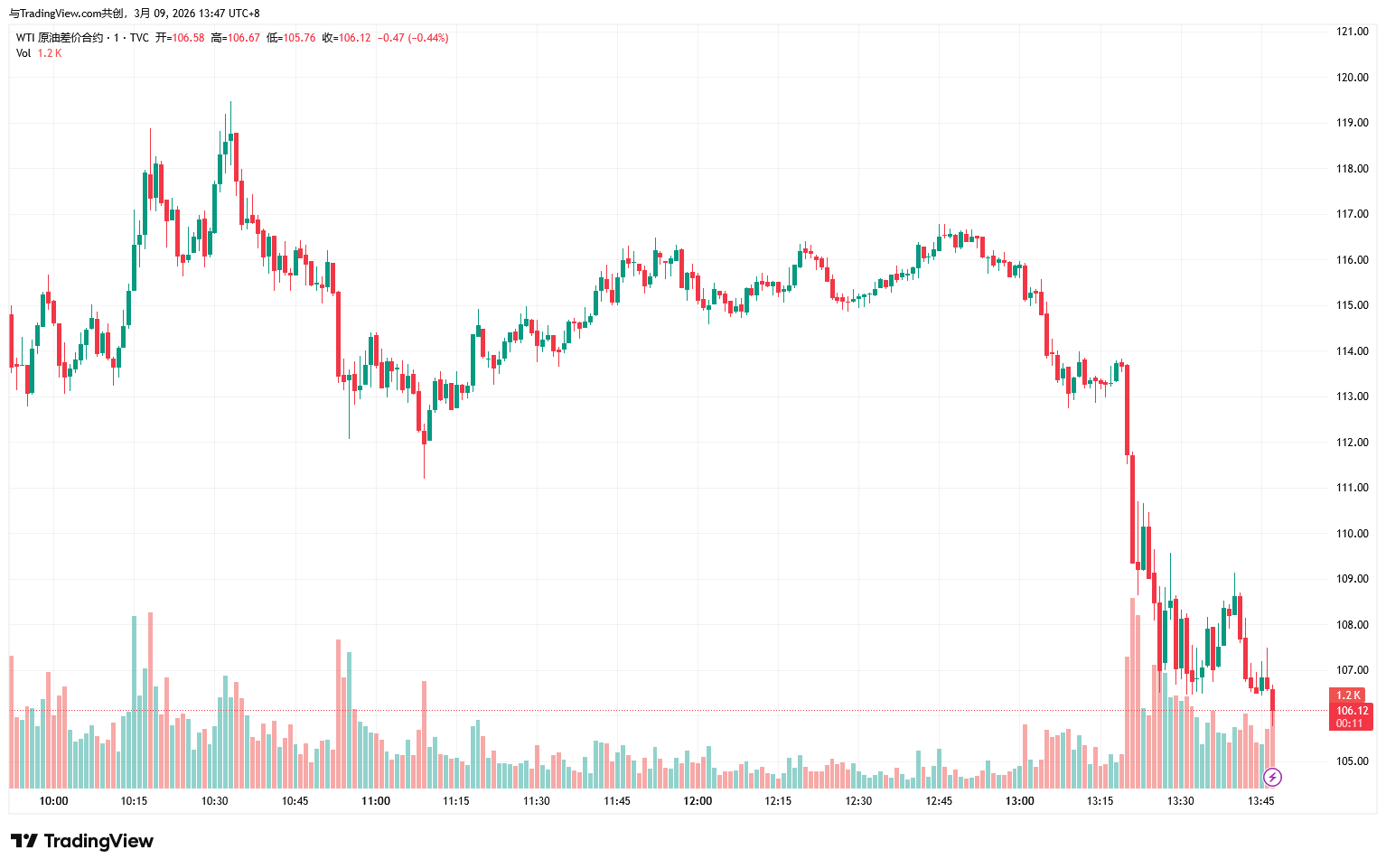
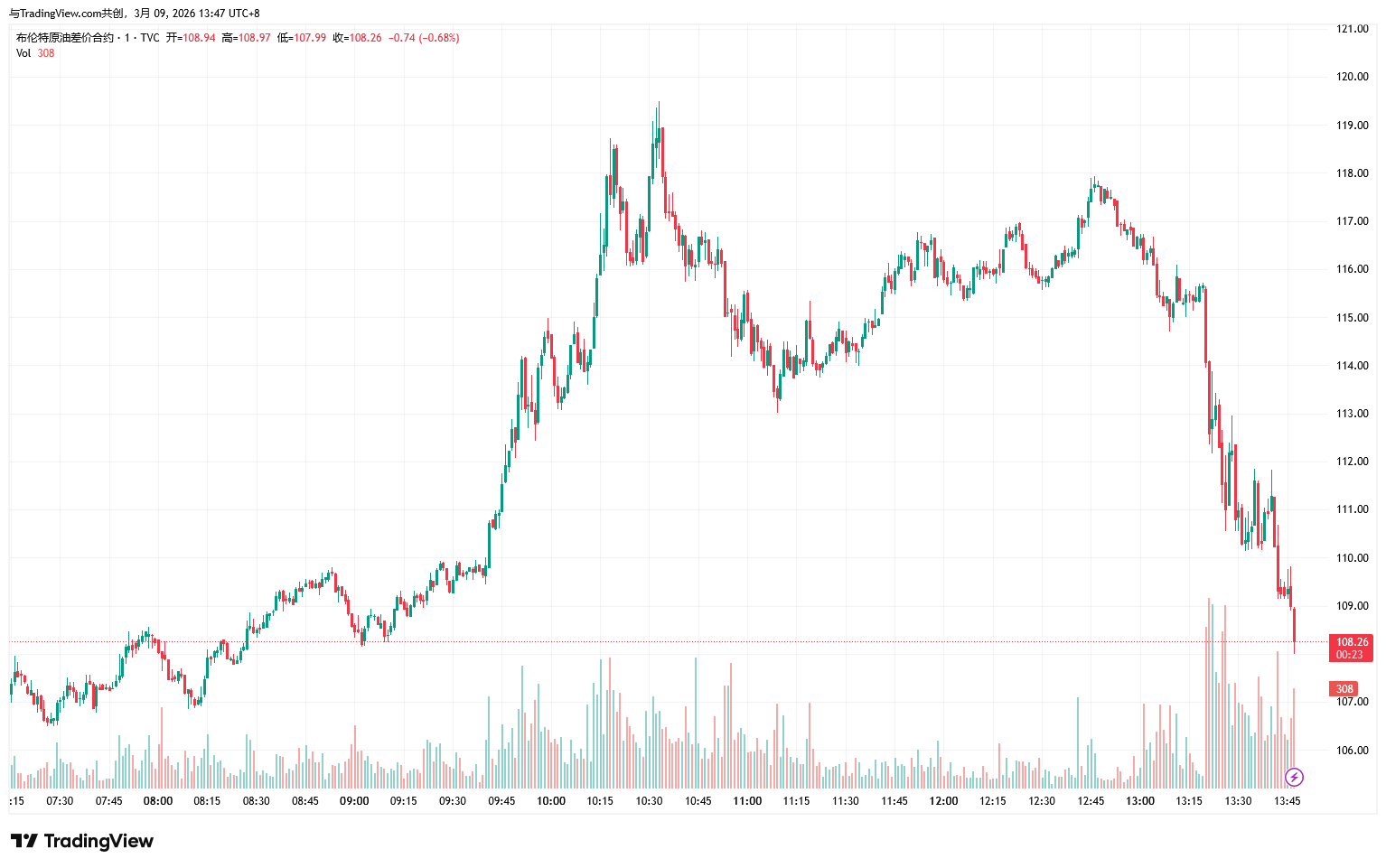
According to the Financial Times, citing people familiar with the matter, G7 finance ministers will hold a conference call at 8:30 a.m. New York time on Monday (20:30 Beijing time). IEA Executive Director Fatih Birol will attend, with the core agenda being to assess the impact of the Iranian situation on energy markets and discuss the feasibility of a joint strategic petroleum reserve release under the IEA framework.
Currently, three G7 nations, including the United States, have explicitly voiced support for the plan. Some U.S. officials have suggested that a joint release of 300 million to 400 million barrels would be an appropriate scale, representing approximately 25% to 30% of the 1.2 billion barrels in total strategic reserves held by IEA member states.
These consultations mark a sharp U-turn in U.S. energy policy—just last week, the White House publicly stated there was no need to tap strategic reserves to stabilize oil prices. However, the record price hikes over the past week have left policymakers with no other choice. The Trump administration had previously faced pressure to curb soaring oil prices but remained cautious about tapping strategic reserves, while other alternatives, such as direct intervention in the crude oil futures market, carry higher operational difficulties and risks.
As a key coordinating body for the global energy market, the IEA possesses a mature emergency reserve mechanism. Public reserves across its 32 member countries total over 1.24 billion barrels, with an additional 600 million barrels of industry inventory available as a supplement. These reserves cover nearly one month of total oil demand or over 140 days of net import requirements for member states, with the combined reserves of the U.S. and Japan totaling about 700 million barrels.
Historically, the IEA has coordinated joint reserve releases among member states five times, including two actions during the Russia-Ukraine conflict in 2022 alone. As early as last Tuesday, the IEA convened an internal emergency meeting to assess supply risks and explicitly stated in a confidential document that it is "ready to take action at any time to maintain market stability."
The surge in oil prices has also driven trading volumes to historic extremes. According to Bloomberg, Brent crude trading volume today approached 900,000 lots, exceeding three-quarters of the daily average volume over the past year. Last week, total market volume broke 18.6 million lots, representing 18.6 billion barrels of crude, which is equivalent to nearly six months of global oil consumption.
Find out more