專題:對話ESG全球領導者
新浪財經ESG評級中心提供包括資訊、報告、培訓、諮詢等在內的14項ESG服務,助力上市公司傳播ESG理念,提升ESG可持續發展表現。點擊查看【ESG評級中心服務手冊】
文 | 新浪財經 李欣然
在當今全球面臨氣候危機、能源波動與經濟轉型多重挑戰的背景下,一個根本性問題日益凸顯:經濟增長與可持續發展究竟能否兼得?長期以來,「權衡取捨」似乎是不變的鐵律——環保意味着犧牲效益,清潔能源意味着犧牲可負擔性,綠色轉型意味着犧牲競爭力。然而,近年來技術進步的加速與市場實踐的積累,正在悄然改寫這一傳統敘事。
近期,新浪財經對話了牛津大學史密斯企業與環境學院(Smith School of Enterprise and the Environment)代理院長Sam Fankhauser教授。Fankhauser教授從ESG投資回報、能源結構與企業轉型等維度,系統闡述了他對可持續經濟未來的觀察。在他看來,關於「綠色代價」的許多擔憂,實際上源於對趨勢的誤讀或對舊有觀念的慣性堅守。他指出,隨着清潔能源成本持續下降、ESG投資邏輯日益成熟,曾經被視為「兩難」的選擇正逐漸讓位於協同共贏。更重要的是,全球南方國家有望藉助陽光地帶的自然稟賦,迎來能源生產率躍升的歷史性機遇;而企業能否在這場轉型中勝出,關鍵不在於是否擁抱綠色,而在於是否具備遠見、領導力與適應變革的能力。
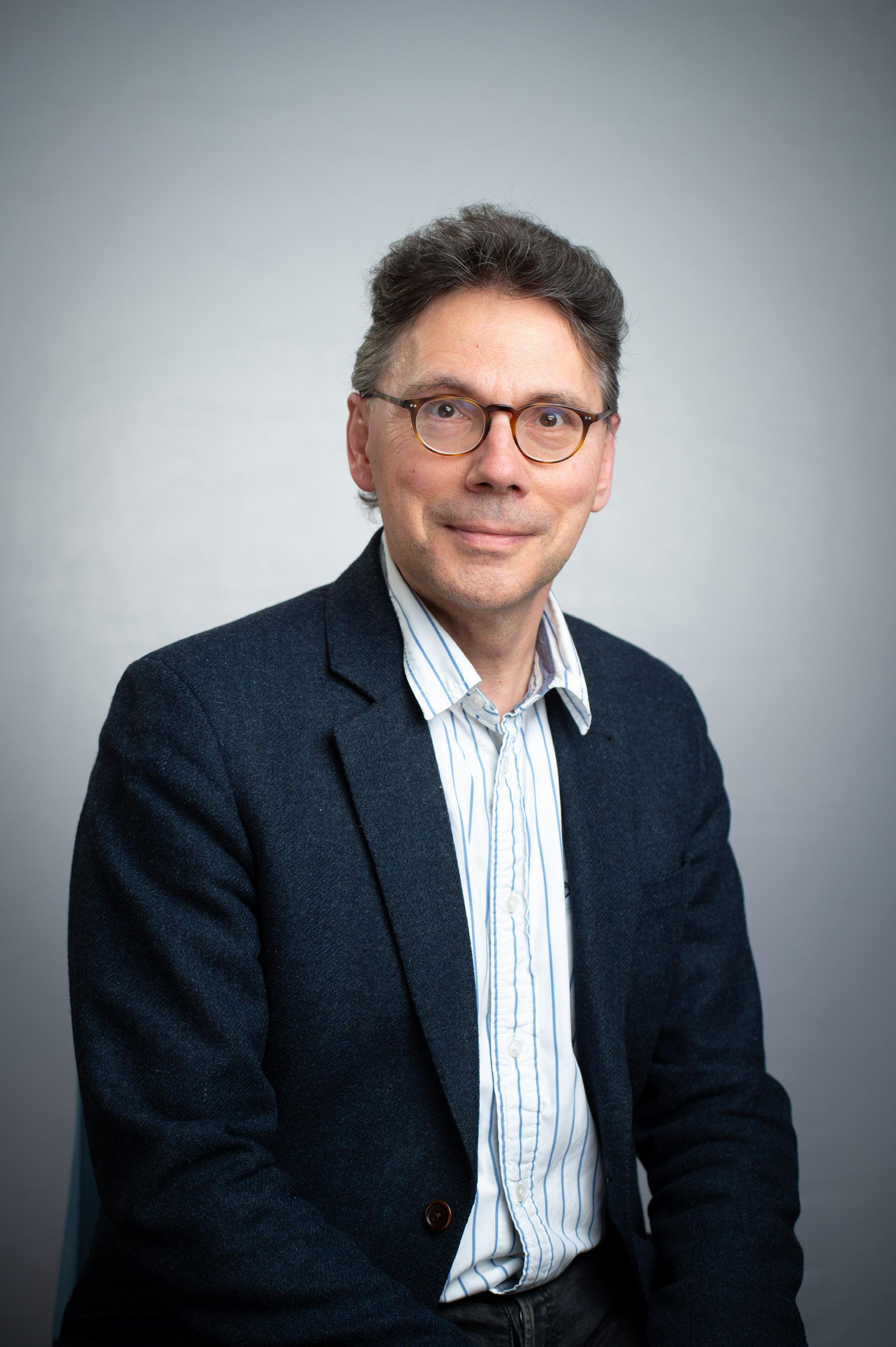 牛津大學史密斯企業與環境學院代理院長Sam Fankhauser教授
超越短期波動:ESG導向投資並非收益的犧牲
Fankhauser教授表示,他本人雖非投資者,但多年來一直與投資者和孖展機構打交道。Fankhauser教授指出,這些專業人士都不約而同地告訴他同一個道理:長期來看,財務回報與ESG目標之間並不存在衝突。Fankhauser教授提到,其中有些人甚至通過數據分析,對比了傳統投資組合與ESG導向投資組合的長期回報,發現持有後者並不會帶來收益上的損失,甚至還可能具有優勢。在 Fankhauser教授看來,有證據表明,例如能效等級較高的住房對抵押貸款機構而言信用風險更低——雖然我們尚不確定其中原因,但事實確實如此。
Fankhauser教授強調,短期市場波動當然總是存在,比如俄烏衝突和伊朗近期緊張局勢引發的能源價格飆升,為化石燃料企業帶來了高額利潤,資本也重新迴流到該行業。但他認為,這種資金追逐的不過是短期套利機會;而秉持長期視角的耐心資本能夠洞察這些周期性影響之外的價值——從長遠來看,那些具備高社會標準、尊重環境約束並堅持良好治理結構的投資,其結構性優勢是顯而易見的。
當可持續變得可負擔:能源不可能三角的破解之路
Fankhauser教授表示,「能源不可能三角」(即能源可負擔性、能源安全與環境可持續性三者無法同時實現)已不再像這一說法剛提出時那般顯著了。Fankhauser教授指出,發生變化的關鍵在於,以中國為主導,清潔能源成本下降得如此之快,以至於太陽能和風能如今已成為優先選擇的能源技術。他認為,在絕大多數的投資情境下,它們比化石燃料更便宜。Fankhauser教授強調,儲能技術也是如此,這使得可預測的清潔能源也變得越來越具備經濟性。這意味着,能源可負擔性與環境可持續性如今已經可以齊頭並進。在他看來,近期資本成本的上升而使得可再生能源的孖展成本升高並未改變這一局面,因為建造燃氣發電廠的成本同樣也在上漲。
Fankhauser教授解釋道,這是一個面向未來的論述,關注的是從現在開始的投資。他提到,許多目前仍在運行的風能和太陽能設施,其成本依然較高,因為它們是在成本大幅下降之前投產的。我們仍需為早期階段積累的經驗教訓付出代價,但這些學習成本是一次性的。
接着,Fankhauser教授探討了能源安全與環境可持續性之間的聯繫。他指出,同樣,這兩個目標現在也可以協同實現。他認為,化石能源容易受到石油、煤炭和天然氣價格劇烈市場波動的影響。此外,大多數國家並不擁有本土資源,其燃料需求依賴進口——有些進口來自與其利益一致的國家,有些則不然。而一個可再生能源發電設施,一旦建成,就不再依賴於國際化石燃料市場,只依賴於風和陽光。
最後,Fankhauser教授回應了為何許多人仍然堅信「能源不可能三角」。在他看來,答案是慣性使然。他強調,人們往往難以迅速放棄根深蒂固的觀念,而且化石燃料仍然代表着強大的市場利益。但Fankhauser教授堅信,清潔能源的經濟性正變得越來越難以忽視。
能源效率躍升:可再生能源驅動下的經濟生產率提升
Fankhauser教授指出,他上面所講述的關於價格低廉的可再生能源的故事,在全球南方(發展中國家)尤為突出,比在全球北方(發達國家)要明顯得多。在他看來,這是因為大多數發展中國家地處陽光地帶,日照條件特別好,因此可再生能源尤其便宜。他同時提到,風能的成本也有所下降,但幅度遠不及太陽能,所以像北歐這樣地處風帶的國家反而處於相對劣勢。
Fankhauser教授介紹了他和研究團隊的測算結果:在可再生能源情景下,全球南方的能源生產率將比目前提高一倍以上。他解釋道,這裏所說的能源生產率,指的是每單位歐元或人民幣投資所能產生的可用能源量。他認為,生產率之所以能大幅提升,不僅因為可再生能源本身便宜,還因為電力相比化石燃料效率高得多——浪費的能源更少,且可用的能源更多。由於能源是一種無處不在的基礎投入,Fankhauser教授強調,更高的能源生產率最終會轉化為整體經濟生產率的提升。
因此,Fankhauser教授認為,陽光地帶的國家將迎來巨大的經濟機遇。他們將在能源密集型產品和活動領域獲得新的比較優勢。但要抓住這一機遇,他明確指出,這些國家需要的不僅僅是廉價的能源,還需要技能嫺熟的勞動力、有利的投資環境、穩定的宏觀經濟以及可預測的規則和法規。在Fankhauser教授看來,這纔是發展中國家面臨的真正挑戰:不是如何擺脫化石燃料,而是如何創造有利條件,充分利用正在湧現的新機遇。
最後,Fankhauser教授以中國為例,指出中國在太陽能光伏和電動汽車等技術領域建立經濟領先地位的方式,向世界展示瞭如何做到這一點。他強調,整個世界,包括西方國家在內,在綠色產業政策方面有很多可以向中國學習的地方。
遠見、領導力與專業技能:企業可持續轉型的重要因素
Fankhauser教授指出,他上面所勾勒的經濟機遇,同時也是商業機遇。他認為,這些機遇需要由一個個企業家、投資者和企業去把握,而這其中是有風險的。他提醒道,過去的結構性轉型表明,一項新技術代表了未來,並不意味着每筆投資就自動能盈利。他舉例說,回想一下19世紀中葉「鐵路狂熱」時期有多少資金打了水漂,或者20世紀末互聯網泡沫時期的鉅額虧損,就能明白這一點。
因此,Fankhauser教授強調,企業需要清晰的戰略、遠見卓識、領導力和專業技能。在他看來,經濟轉型在很大程度上將由新的市場進入者推動,它們將以更優質的產品和商業模式顛覆市場,例如中國的汽車製造商。但他同時也指出,如果傳統企業能夠主動擁抱轉型,它們同樣可以蓬勃發展。
Fankhauser教授認為,這正是大學可以發揮作用的地方。他觀察到,商業領袖、中層職場人士以及學生群體,對於獲取21世紀清潔經濟所需技能有着巨大的需求。他提到,牛津大學開設的可持續企業相關課程大受歡迎。他詳細介紹了教學內容:教授學生科學基礎知識,讓他們理解氣候變化及其帶來的物理風險;教授可持續經濟學,讓他們理解有效的政策干預和結構性變革;此外還教授可持續金融、系統轉型、法律、領導力以及商業組織。他表示,當學生們畢業時,他和同事們希望這些學生能帶着讓全球經濟可持續發展的雄心壯志和技能,踏入這個世界。
以下為英文原文:
Q: We've seen that you have a background in financial institutions, including banks in your early career. From the perspectives of risk and return, do you believe that incorporating environmental and social factors into the investment decisions of financial institutions can actually generate positive financial returns?
A: I am not an investor but I have worked with investors and finance providers for many years. They all tell me the same thing: there is no long-term trade-off between financial returns and ESG objectives. Some of them have even crunched the numbers and compared the long-term returns of a conventional investment portfolio with an ESG-led portfolio. There was no penalty from holding the latter. There may even be advantages. There is evidence for example, that houses with a higher energy efficiency rating constitute a better credit risk for mortgage providers. We are unsure why, but this seems to be the case.
Of course there can be short-term market fluctuations like the energy price spike following the Russian invasion of Ukraine and now with the war in Iran. It created high profits for fossil fuel companies and capital pivoted back into the sector. But this is money that exploits short-term arbitrage opportunities. Patient capital that takes a long-term view looks beyond those cyclical effects, and over the long term the structural advantages of investments that have high social standards, respect environmental constraints and endorse good governance are quite clear.
Q: In the energy sector, there is the concept of the Energy Trilemma, which suggests that the three goals of energy security, energy equity, and environmental sustainability are difficult to balance simultaneously. Moreover, since 2025, some regions have seen a strong resurgence in dependence on and calls for fossil fuels. Against this complex backdrop, how do you think a smooth transition to net-zero emissions should be advanced?
A: The trade-off between energy affordability, energy security and environmental sustainability is no longer as pronounced as it was when the phrase 「energy trilemma」 was coined. What has changed is that, led by China, the cost of clean energy have fallen so rapidly that solar and wind are now the energy technologies of choice. They are cheaper than fossil fuels in an overwhelming number of investment contexts. The same is true for energy storage, which makes predictable clean energy increasingly cheap as well. This means that energy affordability and environmental sustainability now go hand in hand. The recent rise in the cost of capital, which makes renewables more expensive to finance has not changed this. The cost of building gas fired power plants has also gone up.
This is a forward looking narrative, about investments from now on. Many of the wind and solar installation that are currently in operations still have higher costs; they were commissioned before costs came down. We still have to pay for the learning that took place during those early years, but those learning costs were a one off.
What about the link between energy security and environmental sustainability? Again, the two objectives now go hand in hand. Fossil fuel energy is subject to high market volatility in the price of oil, coal and gas. Moreover, most countries do not have indigenous resources and are dependent on imports – some from countries with aligned interests, some not – for their fuel needs. A renewable energy installation, once built, does not depend on international fossil fuel markets. Only on the wind and the sun.
One can ask why so many energy market commentators have not yet recognised this reality. The answer is inertia. People are slow to let long-held convictions go and fossil fuels still constitute powerful market interests. But the economics of clean energy are increasingly difficult to ignore.
Q: We understand that sustainable growth in developing countries is also one of your research areas. What do you consider to be the biggest challenges and dilemmas for developing countries in achieving sustainable development? We would also like to hear your views on China's sustainable development pathway and your recommendations for its future direction.
A: The story I tell above about cheap renewables is particularly pronounced in the Global South, much more so than in the Global North. This is because most developing countries are in the sun belt, where solar regimes are particularly strong and renewable energy therefore particularly cheap. The cost of wind has come down as well, but much less so than solar, so countries in the wind belt, such as Northern Europe, are at a disadvantage.
We have calculated that energy productivity in the Global South will more than double in a renewables scenario compared to today. By energy productivity I mean the amount of usable energy generated by Euro or Yuan of investment. The productivity gains are high because renewable energy is cheap, but also because electricity is much more efficient than fossil fuels. Less energy is wasted (e.g. as waste heat in an internal combustion engine) and more energy is usable (to move the car forward). And because energy is such a ubiquitous input, a higher energy productivity translates into higher economic productivity overall.
So there is a big economic prize for the countries of the sun belt. They will have a new comparative advantage in energy intensive products and activities. But to take advantage of it, these countries will need more than just cheap energy. They will need a skilled workforce, a favourable investment climate, a stable macroeconomy and predictable rules and regulations. That for me is the true challenge for developing countries: not the transition away from fossil fuels, but how to create favourable conditions take full advantage of the emerging opportunities.
The way China has built up economic leadership in technologies like solar PV and electric vehicles shows how to do it. The world, including Western countries, have a lot to learn from China on green industrial policy.
Q: Looking ahead, what megatrends do you see impacting climate change and sustainable development? And given the Oxford Smith School's expertise at the intersection of business and the environment, how should enterprises craft their strategies to adapt to these evolving trends?
A: The economic opportunities I outline above are also business opportunities. They need to be seized by individual entrepreneurs, investors and firms. This is risky. Past structural transformations have shown that just because a new technology is the future, does not mean each investment is automatically profitable. Just think back to how much money was lost during railway mania in the middle of the 19th century or the dot com boom at the end of the 20th century.
So companies need clear strategies, a strong vision, leadership and skills. Much of the economic transformation will be driven by new market entrants, which will shake up the market with their superior products and business models. Firms like the Chinese car manufacturers. But forward looking incumbents can also thrive, if they engage proactively with the transition.
This is where we see a role for universities. There is huge demand from business leaders, mid-career professionals and students to acquire the skills needed for the clean economy of the 21st century. Our courses on sustainable enterprise are massively over-subscribed. We teach students the scientific fundamentals, so they understand climate change and the physical risks it entails, and sustainability economics so they understand good policy interventions and structural change. We teach them sustainable finance, system transformation, law, leadership and business organisation. And when they graduate we hope that they enter the global economy with the ambition and skills to make it sustainable.
新浪財經ESG評級中心簡介
新浪財經ESG評級中心是業內首箇中文ESG專業資訊和評級聚合平台,致力於宣傳和推廣可持續發展,責任投資,與ESG(環境、社會和公司治理)價值理念,傳播ESG的企業實踐行動和榜樣力量,推動中國ESG事業的發展,促進中國ESG評估標準的建立和企業評級的提升。
依託ESG評級中心,新浪財經發布多隻ESG創新指數,為關注企業ESG表現的投資者提供更多選擇。同時,新浪財經成立中國ESG領導者組織論壇,攜手中國ESG領導企業和合作伙伴,通過環境、社會和公司治理理念,推動建立適合中國時代特徵的ESG評價標準體系,促進中國資產管理行業ESG投資發展。
責任編輯:李欣然