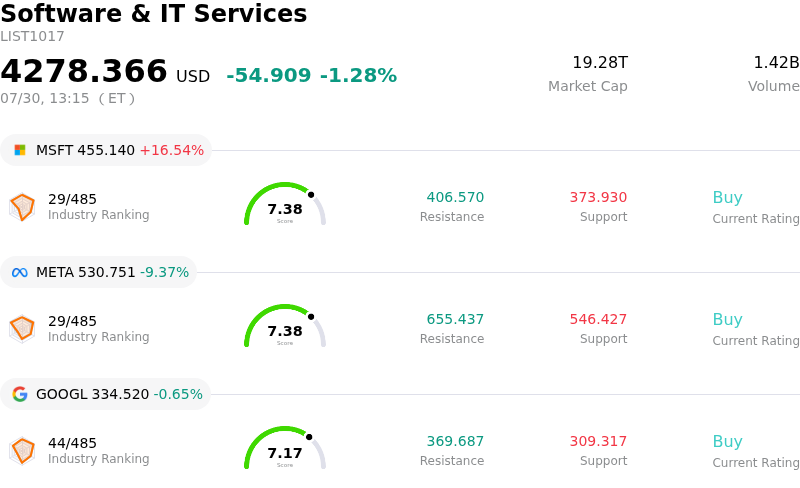
Oracle Corp (ORCL) moved up by 6.77%. The Software & IT Services sector is down by 1.28%. The company outperformed the industry. Top 3 stocks by turnover in the sector: Microsoft Corp (MSFT) up 16.54%; Meta Platforms Inc (META) down 9.37%; Alphabet Inc Class A (GOOGL) down 0.65%.
What is driving Oracle Corp (ORCL)’s stock price up today?
Oracle’s upward movement today is primarily driven by accelerating momentum in its cloud infrastructure business and a series of strategic wins within the artificial intelligence sector. The market is reacting to indications that Oracle Cloud Infrastructure is capturing a larger share of the generative AI training market by positioning itself as a high-performance, cost-effective alternative to the primary hyperscalers. This shift has allowed the company to secure massive capacity contracts, which are viewed by analysts as a leading indicator of long-term revenue growth.
The expansion of multi-cloud partnerships has also served as a significant catalyst for institutional buying. By integrating its database services directly into competing cloud environments, the company has successfully lowered the barrier to entry for enterprise clients who were previously locked into other ecosystems. This strategy is manifesting in higher backlog figures and increased remaining performance obligations, signaling that the transition from legacy on-premise licensing to recurring cloud subscriptions is reaching a critical inflection point of profitability.
Investors are further encouraged by signs of improving operating margins as the massive capital expenditures directed toward data center construction begin to yield high-margin service revenue. The market is increasingly pricing in a more favorable earnings trajectory, anticipating that the operational leverage inherent in the cloud model will provide a buffer against broader macroeconomic uncertainties. This sentiment is reinforced by a general rotation back into large-cap technology stocks that demonstrate both structural growth and defensive cash flow characteristics.
The significant intraday volatility observed reflects a dynamic shift in institutional positioning. As technical resistance levels are breached, short-covering activity combined with fresh long entries from thematic exchange-traded funds has intensified the price action. Despite the fluctuations, the underlying narrative remains focused on the company’s transformation into a central pillar of global AI infrastructure, which continues to attract capital from investors seeking exposure to the next phase of enterprise digital transformation.
Technical Analysis of Oracle Corp (ORCL)
Technically, Oracle Corp (ORCL) shows a MACD (12,26,9) value of 1.619, indicating a neutral signal. The RSI at 31.545 suggests neutral condition and the Williams %R at 89.609 suggests oversold condition. Please monitor closely.
Media Coverage of Oracle Corp (ORCL)
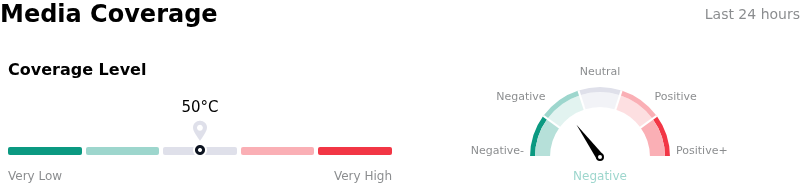
In terms of media coverage, Oracle Corp (ORCL) shows a coverage score of 50, indicating a moderate level of media attention. The overall market sentiment index is currently in bearish zone.
Fundamental Analysis of Oracle Corp (ORCL)
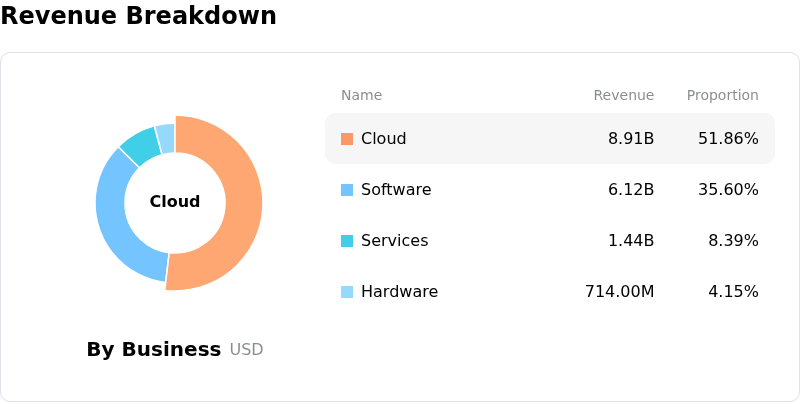
Oracle Corp (ORCL) is in the Software & IT Services industry. Its latest annual revenue is $67.36B, ranking 8 in the industry. The net profit is $16.98B, ranking 6 in the industry. Company Profile
Over the past month, multiple analysts have rated the company as Buy, with an average price target of $251.46, a high of $400.00, and a low of $110.00.
More details about Oracle Corp (ORCL)
Company Specific Risks:
- Severe Debt Overhang and Credit Downgrade: S&P Global Ratings recently downgraded Oracle to BBB- (near-junk status) as total debt surged past $122 billion, driven by a $55.7 billion capital expenditure cycle for AI infrastructure that significantly outpaced revenue growth.
- Extreme Customer Concentration Risk: Institutional reports highlight that approximately 50% of Oracle’s $638 billion in Remaining Performance Obligations (RPO) is tied to a single customer, OpenAI, creating an asymmetrical vulnerability to the counterparty’s ability to secure ongoing external funding.
- Negative Free Cash Flow and Dividend Sustainability: The company reported a negative free cash flow of $23.7 billion for the 2026 fiscal year, leading to analyst warnings that Oracle is increasingly reliant on high-interest debt to maintain its $0.50 quarterly dividend payments.
- Asset Misalignment and Stranded Capacity: Recent SEC 10-K filings disclose material risks of "stranded capacity" and overbuilding, where multi-year lease commitments for AI data centers may not align with customer contract durations, potentially leaving the company with massive unrecouped fixed costs.
Find out more