Summary: Li Auto will release its third-quarter 2025 earnings report before the U.S. market opens on November 26. With deliveries plunging year-over-year in Q3, revenue will inevitably be impacted. Market focus centers on new model sales progress and AI advancements.
Q2 Review
Li Auto reported Q2 revenue of RMB 30.2 billion, with vehicle sales revenue reaching RMB 28.9 billion. Operating profit hit RMB 827 million, while net profit stood at RMB 1.1 billion. Total vehicle deliveries reached 111,074 units, up 2.3% year-over-year.
Q3 Expectations
Confirmed data: Li Auto's Q3 deliveries totaled just 93,211 units, plunging 39% from 152,800 units in Q3 2024. This missed the company's own guidance range (37.8%-41.1% YoY decline).
According to Tiger Brokers data, analysts expect Li Auto's Q3 revenue at RMB 26.71 billion (-37.7% YoY), EPS of RMB 0.863 (-67.54% YoY), and EBIT of RMB 15.62 million.
Key Focus Areas
Pure-Electric Product Ramp-Up and Charging Network Synergy
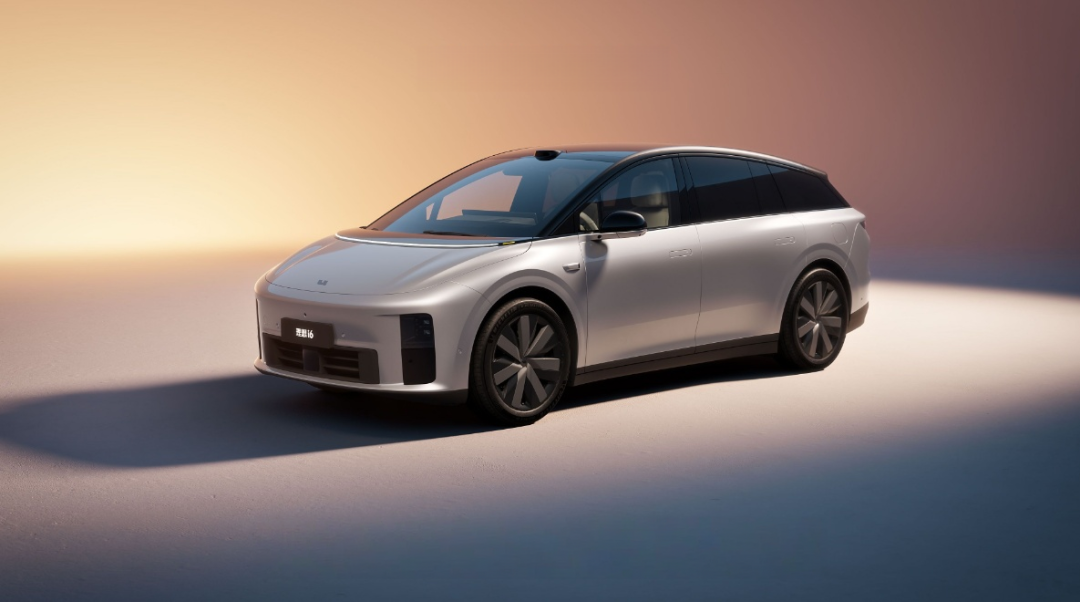
The core focus this quarter is the coordinated scaling of pure-electric models (Li i8, i6) with the high-voltage supercharging network. Last quarter established extensive nationwide supercharging coverage emphasizing "urban + highway" dual-network deployment, potentially easing range anxiety and boosting EV adoption. If i8 and i6 achieve stable deliveries in Q3, combined with 5C charging advantages and differentiated smart cabin/ADAS features, market share gains could emerge in the fiercely competitive RMB 300,000-400,000 segment.
The potential impact pathway: Charging convenience reduces range anxiety, lifts test-drive conversions and repurchase intent while increasing usage frequency to drive ecosystem/service revenue. Short-term margins may face pressure from new product launches and marketing investments, but unit costs could improve quarterly as production and supply chain efficiency rises.
Risks include: Revenue and margins facing temporary pressure if price wars intensify or new model registrations underperform; regional execution of store/marketing strategies will determine customer acquisition efficiency.
VLA Driver Model Rollout and Sales Structure Adjustments
Another critical variable is VLA (Vision-Language-Action) driver model deployment and user feedback. Planned expansion to more AD Max-equipped models follows Q2's emphasis on VLA upgrades for complex urban driving, parking, and summoning features. Sustained positive user sentiment in Q3 could boost premium configuration uptake and improve per-vehicle revenue structure.
The new sales architecture—"HQ direct management of 23 regions + centralized marketing/sales operations"—is now operational, prioritizing "localized adaptation" and "digital operations." Regional strategy execution (reinforcing extended-range EV positioning in north China, emphasizing pure-EV advantages in south China) plus optimized flagship/storefront combinations will directly influence lead quality, conversion efficiency, and inventory/pricing balance.
Against management's conservative Q3 revenue guidance (-38.8% to -42.1% YoY), leadership is trading short-term metrics for mid-to-long-term certainty via product/organizational upgrades, prioritizing quality growth and brand value. Smooth market education post-i6 launch could yield marginal order/delivery improvements by late Q4.
Vehicle Sales Mix Shift
Q2 vehicle sales contributed 95.50% of revenue, with L-series sustaining volume and i8 starting the pure-EV curve. If i6 joins to form a "mid-to-high-end pure-EV duo" this quarter, structural impacts may include: Higher option take rates (ADAS/cabin/charging benefits) offset by near-term marketing/delivery cost increases.
The earnings call clarified a shift toward fewer SKUs and focus on hit products, potentially reducing manufacturing/supply chain complexity while improving demand forecasting accuracy, inventory turnover, and cash cycles. This strategy enters early validation in Q3, demanding better sales-profit balance and dealer capabilities.
Should regional rivals intensify share grabs via price cuts, Li Auto must amplify communication around user experience, ADAS, and charging advantages to avoid margin erosion from price wars; authentic VLA and charging network user feedback may become its strongest non-pricing competitive edge.
Analyst Views
Caitong Securities reported that LI AUTO-W maintains robust profitability, with smart technology and organizational upgrades driving long-term growth. The firm forecasts 2025–2027 Non-GAAP net profits of RMB 4.7/8.0/12.4 billion, corresponding to P/E ratios of 32x/19x/12x. Initiating coverage with an "Overweight" rating.