IT之家 1 月 8 日消息,科技媒体 CNET 昨日(1 月 7 日)发布博文,基于在 CES 2026 展会期间的观察,认为 2026 年的笔记本产品在提供更强的图形处理能力、AI 性能及电池续航外,另一个核心硬件趋势就是“模块化”。
IT之家援引博文介绍,戴尔、惠普和联想在内的多个品牌为响应客户降低维护成本的诉求,纷纷摒弃全焊接设计,转而采用易于更换电池、键盘等组件的结构,标志着笔记本电脑正向高可维修性与可持续发展回归。
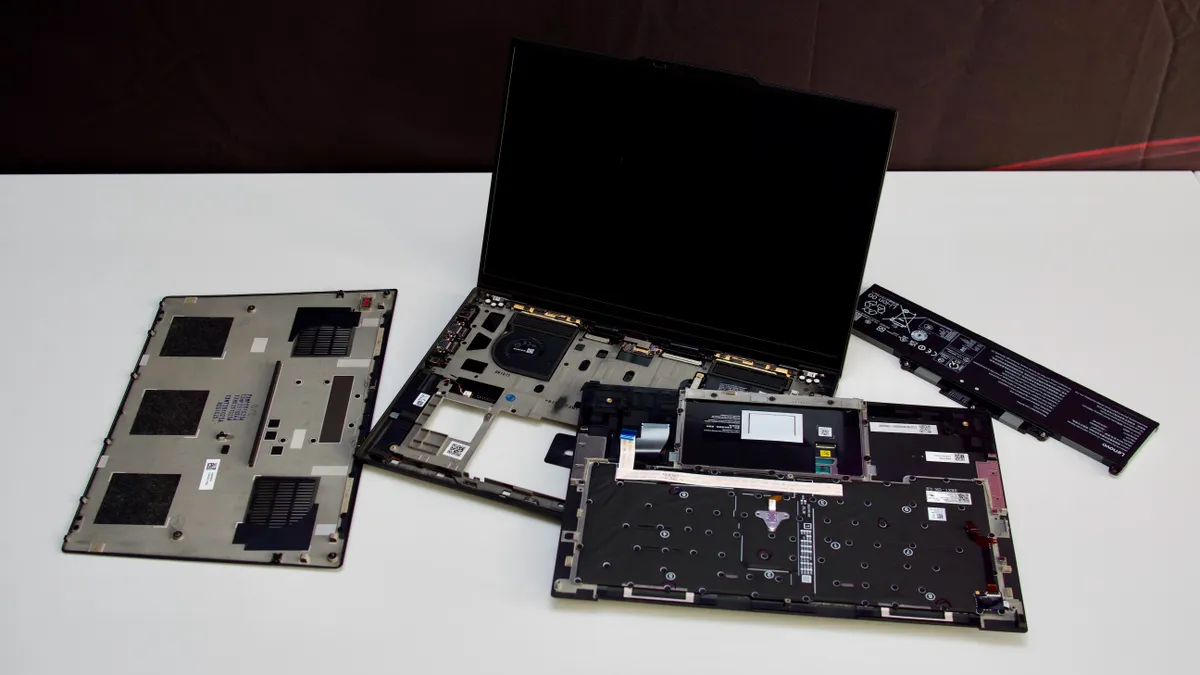
联想推出的 ThinkPad X1 Carbon Gen 14 成为模块化设计的标杆,该机采用全新的“太空框架(Space Frame)”技术,允许用户轻松拆卸底板和键盘以触达双面主板,进而更换电池、风扇甚至 USB 端口(虽内存仍为焊接)。
CNET
微星(MSI)甚至推出了一款允许用户轻松升级内存和存储的游戏笔记本,这种设计理念回归了早期笔记本电脑的实用主义风格,旨在解决现代电子产品“一旦损坏即需整机报废”的痛点。
这一转变的根本原因在于消费者需求的升级。PC 厂商调研发现,用户普遍希望在部件损坏或性能不足时,能够通过低成本更换零件来延长电脑的使用寿命,而非被迫花费高昂代价购买新机。
对于普通消费者而言,易维修性不仅意味着更低的长期持有成本,也符合日益增长的环保与可持续发展理念。这场关于“形式”与“功能”的较量,最终将由消费者的钱包来投票决定。
Disclaimer: Investing carries risk. This is not financial advice. The above content should not be regarded as an offer, recommendation, or solicitation on acquiring or disposing of any financial products, any associated discussions, comments, or posts by author or other users should not be considered as such either. It is solely for general information purpose only, which does not consider your own investment objectives, financial situations or needs. TTM assumes no responsibility or warranty for the accuracy and completeness of the information, investors should do their own research and may seek professional advice before investing.