AI实际性能仅20%!微软高管炮轰存储厂:建再多厂也没用

快科技
11 hours ago

快科技9月14日消息,据报道,微软Azure硬件系统与基础设施总裁Rani Borkar近日表示,单纯增加存储芯片产能无法解决AI基础设施的瓶颈。她批评道:“存储不应被视为供应或组件问题,本质上是系统问题。”

Borkar指出,AI推理模型越来越大、对话上下文越来越长,存储与电力正成为比计算芯片更难绕开的硬限制。许多AI系统由多层架构组成,受限于数据传输延迟与带宽限制,系统往往仅能发挥约20%的实际性能。

她提出的解决路径是“从芯片到系统”的跨层协同设计,涵盖模型、编译器、芯片、网络到供电的联合优化。目标是在相同存储容量与电力条件下,让更多计算资源持续工作并产出更多token。

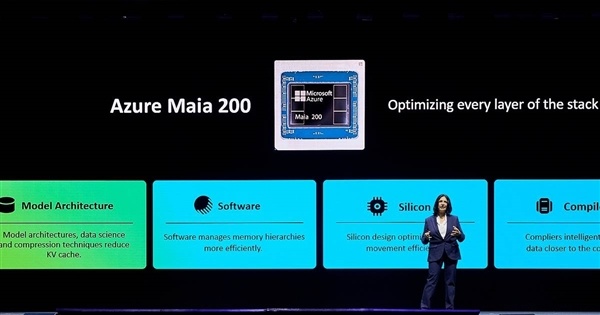
以微软自研AI加速器Maia 200为例,Borkar表示微软并非只靠增加存储容量处理瓶颈。Maia 200采用台积电3nm工艺,搭载216GB HBM3e高带宽内存,同时从模型压缩、数据科学与架构设计三方面降低KV Cache需求。

网络方面,微软采用双层Scale-up网络,将网络接口控制器直接整合进芯片,搭配定制化传输层。此举降低延迟的同时减少昂贵加速器因拥塞、故障恢复或配置不当而闲置。

电力端同样面临巨变。AI机柜功耗已从数十千瓦升至数百千瓦,数据中心园区以吉瓦规模规划。微软导入固态变压器与800V直流供电架构,并将精细电压与时钟控制器直接整合至Cobalt 200的每个核心内。

Borkar强调,没有任何一项创新能单独消除瓶颈,但放在一起就能大幅提高相同存储资源所交付的成果。微软提出的“有效产出”新指标,正将AI基建竞争从堆砌芯片数量转向系统级效率比拼。
Disclaimer: Investing carries risk. This is not financial advice. The above content should not be regarded as an offer, recommendation, or solicitation on acquiring or disposing of any financial products, any associated discussions, comments, or posts by author or other users should not be considered as such either. It is solely for general information purpose only, which does not consider your own investment objectives, financial situations or needs. TTM assumes no responsibility or warranty for the accuracy and completeness of the information, investors should do their own research and may seek professional advice before investing.

Most Discussed

  1. 1


  2. 2


  3. 3


  4. 4


  5. 5


  6. 6


  7. 7


  8. 8


  9. 9


  10. 10